2026 How to Buy Cerium Oxide from Global Suppliers?
Buying Cerium Oxide in 2026 requires more than comparing prices on a supplier website. Buyers must verify purity, particle size, application suitability, and supply continuity. Cerium Oxide may appear as polishing powder, catalyst material, glass additive, or technical-grade oxide. Each use demands different specifications.
The U.S. Geological Survey’s Mineral Commodity Summaries 2025 reported approximately 390,000 metric tons of global rare-earth mine production in 2024, measured as rare-earth oxide equivalent. China accounted for about 270,000 metric tons. However, the report does not isolate cerium production. That limitation matters. Market averages can hide product-level shortages, inconsistent grades, or processing dependence. The International Energy Agency has also highlighted concentration risks across critical-mineral supply chains, although cerium receives less attention than magnet-related rare earths.
A reliable sourcing process should begin with a current certificate of analysis, not a promotional claim. Check CeO2 content, moisture, iron, lead, particle distribution, and lot number. Request a retained sample in a sealed bag. Then compare the sample with the production batch. Small details matter. A polishing line can reveal them quickly through uneven finish, excessive residue, or changing slurry color. Supplier audits should review factory ownership, quality systems, export experience, packaging strength, and traceability. Ask for SDS documents and suitable transport terms before payment. A low quotation may look convincing—and still be wrong. This guide explains how to evaluate global suppliers, negotiate practical terms, and reduce avoidable purchasing risk in 2026. Some uncertainty remains, so every serious order should include testing, written specifications, and a realistic contingency plan.

Define Cerium Oxide Grades, Properties, and Common Uses
Cerium oxide, or CeO₂, is sold in several grades for different technical demands. Polishing grade usually requires controlled particle size, high purity, and stable dispersion. Fine particles can produce smooth glass surfaces. However, smaller particles do not always create better results. Slurry chemistry, pressure, and pad condition also matter.
Catalyst grade depends on redox behavior and oxygen storage capacity. It can support exhaust-treatment materials and other oxidation processes. Ceramic and glass grades may require consistent composition, low impurities, and reliable thermal stability. Cerium oxide often appears as a pale yellow powder. Its color may change slightly with particle size, defects, or processing history. It is chemically durable, but it is not completely inert.
Check the details.
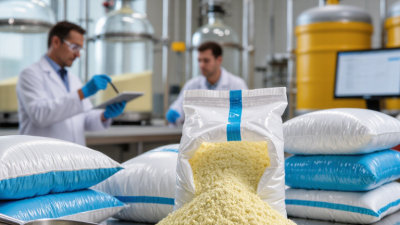
When comparing global suppliers, request a current certificate of analysis, safety data sheet, and particle-size distribution. Confirm test methods, not only numerical results. Ask whether purity refers to cerium oxide content or total rare-earth content. In practical sourcing work, I have found that unclear sampling can cause serious batch differences. Packaging also deserves attention. Moisture-resistant bags and clean inner liners help protect powder quality during long transport. A supplier should explain production controls, traceability, and storage conditions. Still, documents can look complete while performance remains uncertain. A small evaluation batch is wiser than relying only on a polished specification sheet. Test the powder in the intended polishing slurry, catalyst formulation, or ceramic process before approving regular purchases.
Compare Global Suppliers, Prices, and Minimum Order Terms
2026 How to Buy Cerium Oxide from Global Suppliers?
Cerium oxide purchasing starts with specifications, not supplier names.
Confirm purity, particle size, surface area, packaging, and intended use. A polishing-grade powder may require a tighter particle distribution than a general industrial grade. The wrong specification can make a low price expensive.
The USGS Mineral Commodity Summaries 2025 reported global rare-earth mine production of about 390,000 metric tons in 2024, with China contributing approximately 270,000 tons. This indicates strong supply concentration. However, the report does not provide a reliable cerium oxide spot price. Public market studies, including IMARC and Grand View Research analyses, also present broad market estimates rather than transparent transaction prices.
Recent procurement checks suggest indicative prices near 8–30 USD per kilogram for standard industrial grades, while specialized polishing grades can exceed 40 USD per kilogram. Treat these figures carefully. Purity, particle size, freight, and certificates change the final cost. Typical minimum orders range from 1–25 kilograms for laboratory quantities and 25–500 kilograms for industrial purchasing.
Container-scale orders may receive lower unit prices, but storage risk increases. Ask each supplier for a dated quotation, certificate of analysis, production location, lead time, Incoterm, and replacement policy. Compare landed cost, not just the product line. I have seen “cheap” offers become costly after testing and customs handling. That part deserves more skepticism.
Verify Supplier Credentials, Samples, and Product Documentation
When buying cerium oxide from global suppliers in 2026, verify the supplier before discussing price. Request the registered company name, operating address, business license, and export experience. Check whether these details match across invoices, certificates, and the supplier’s website. A professional email is not enough proof.
Ask for a recent certificate of analysis from the actual production lot. It should show purity, particle size distribution, moisture, and testing methods. Request a safety data sheet and a technical data sheet in clear English. Confirm that the documents fit your destination’s chemical import requirements. If the supplier avoids specific answers, pause the order.
Samples reveal more than promises. Request a sealed sample with its lot number, production date, and storage instructions. Test its polishing performance, dispersion, color, and consistency under your real process conditions. Compare the sample with the proposed bulk specification. Small differences can affect surface finish and production waste. Keep photographs and test records.
Do not trust paperwork blindly. Documents can be outdated, incomplete, or prepared for another grade. An independent laboratory may verify critical properties before payment. This adds cost, but a rejected shipment costs more. I would also ask for packaging photographs, loading records, and a traceable batch system. Supplier verification is not a one-time task. Recheck it when the product grade, factory, or shipping route changes.
The chart shows the theoretical mass composition of cerium(IV) oxide (CeO₂), calculated from standard atomic weights: cerium 140.116 and oxygen 15.999. When buying from global suppliers, use this baseline together with supplier credentials, representative samples, certificates of analysis, safety data sheets, and product specifications to check whether the offered material is consistent with CeO₂.
Arrange Shipping, Customs Clearance, and Safe Storage
Buying Cerium Oxide from Global Suppliers in 2026
Arrange shipping before confirming the purchase order. Ask the supplier for the safety data sheet, certificate of analysis, packing details, and exact product grade. These documents help verify quality and support accurate customs declarations. Confirm the correct HS classification with a qualified customs broker in the destination country. Classification can vary by composition, particle size, and local interpretation. Small errors matter.
Choose transport according to quantity, packaging, and delivery urgency. Use moisture-resistant inner bags inside strong, sealed outer containers. Request pallet protection when shipments will cross several handling points. The commercial invoice should show the product description, net weight, gross weight, origin, value, and agreed Incoterm. Keep records. A freight forwarder can coordinate booking, export documents, tracking, and arrival notices, but the buyer remains responsible for checking critical details.
Prepare customs clearance before the cargo leaves the supplier’s warehouse. Confirm whether import permits, chemical registration, labeling, or local language documents are required. Do not rely only on a supplier’s usual process. Regulations and port procedures change. At the warehouse, store cerium oxide in a cool, dry, ventilated area, away from incompatible materials and direct moisture. Keep containers closed and clearly labeled. Provide dust control, suitable protective equipment, and written handling procedures for workers. I have seen delays caused by unclear paperwork, not difficult logistics. My own planning can still be improved, especially when delivery routes change unexpectedly.