How to Efficiently Recycle Rare Earth Magnets in China?
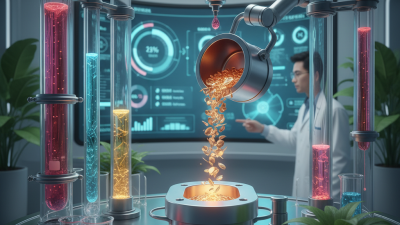
The growing demand for technology has led to increased usage of rare earth magnets. These powerful components are essential in various applications, from electric vehicles to renewable energy systems. However, the lifecycle of these magnets raises concerns about sustainability. This is where Rare Earth Magnet Recycling comes into play.
In China, the process of recycling rare earth magnets is still evolving. While there are many facilities, not all employ efficient methods. Many still rely on outdated techniques that yield minimal results. This raises questions about our ability to meet demand sustainably. Achieving higher efficiency in recycling can reduce waste dramatically. It can also lessen our dependency on new materials, promoting an eco-friendly approach.
Engaging in effective Rare Earth Magnet Recycling requires collaboration among industries, government, and researchers. With the right strategies, not only can we recover valuable materials, but we can also minimize environmental impact. As we navigate this complex field, reflection on current practices is essential. We must identify flaws and prioritize innovation to ensure a sustainable future for rare earth magnets.
Overview of Rare Earth Magnets and Their Applications
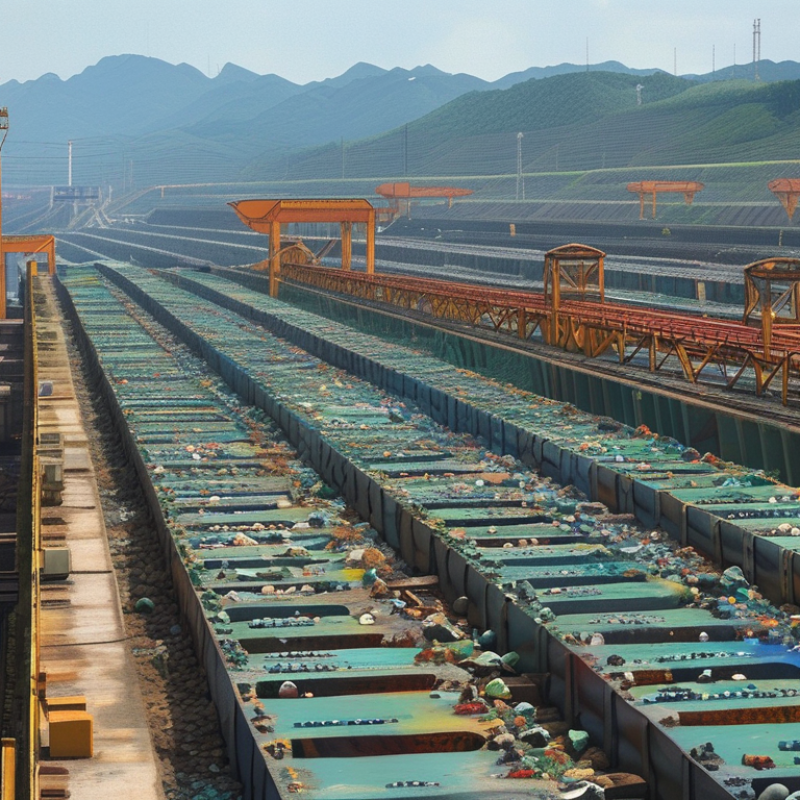
Rare earth magnets are powerful components used in various applications. They are found in electric motors, hard drives, and even wind turbines. Their strength comes from their unique chemical properties, making them invaluable in modern technology.
Recycling these magnets is crucial due to their environmental impact and scarcity. Many rare earth elements are mined in locations with significant ecological harm. Implementing efficient recycling methods can mitigate this damage. One approach involves dismantling electronic devices containing these magnets. Careful extraction can recover these materials without harming the environment.
Tips: Use a magnet to identify rare earth magnets in devices. Collect these items before disposal. Educating the public on recycling initiatives can also boost participation.
China leads in mining rare earth materials, but recycling should be prioritized. Encouraging local businesses to establish recycling programs may help recover these resources. However, the process is not always straightforward. Limited awareness and underdeveloped systems often hinder effective recycling efforts. There is room for improvement in educating both consumers and businesses about best practices.
The Importance of Recycling Rare Earth Magnets in China
Recycling rare earth magnets in China is crucial for several reasons. These magnets are essential in modern technology, powering everything from electric vehicles to wind turbines. Recent studies indicate that nearly 40% of global rare earth magnet production is situated in China. This concentration underscores the need for sustainable practices in the industry.
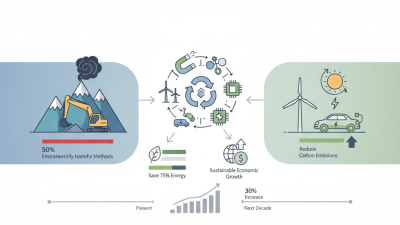
The recycling of these materials can reduce dependence on ore mining, which has significant environmental impacts. A report by the World Economic Forum highlights that recycling rare earth elements could reduce mining by up to 80% globally. This statistic reveals the potential for a circular economy. However, the current recycling rate remains low, with estimates around 1% for rare earth magnets.
**Tip:** Implementing efficient collection systems is vital. Engaging with local communities can increase awareness and participation in recycling efforts.
Another challenge lies in the complexity of magnet materials. Many are composed of various rare earth elements, making separation difficult. Effective recycling processes are still under development, prompting discussions about the need for innovation in this sector.
**Tip:** Collaborate with research institutions. Such partnerships can drive advancements in recycling technologies and improve efficiency.
Rare Earth Magnet Recycling Efficiency in China
This bar chart illustrates the statistics of rare earth magnet recycling in China for the year 2023. It highlights the importance of increasing recycling rates to reduce landfill waste and encourage the sustainable use of resources.
Current Methods for Recycling Rare Earth Magnets
Recycling rare earth magnets is crucial for sustainability. In China, various methods are employed to recover these valuable materials. Typically, physical and chemical processes are combined for effective recycling. The physical method involves dismantling magnets from electronic devices. This process requires precision and experience.
On the chemical side, hydrometallurgical techniques are often used. These methods can extract rare earth elements through solvent extraction. However, they can be environmentally harmful if not managed properly. Some facilities may struggle to fully contain pollutants. This poses a broader environmental risk.
Moreover, the efficiency of current recycling efforts in China raises questions. Not all recycled materials are of high purity. This impacts the quality of recycled products. Additionally, the infrastructure for recycling rare earth magnets is still developing. Workers need proper training to handle these materials safely. There's much room for improvement in methods and practices.
Challenges in the Recycling Process of Rare Earth Magnets
Recycling rare earth magnets presents significant challenges in China. Many facilities are not equipped to handle these materials safely and efficiently. The complexity of extracting rare earth elements complicates the entire process. Various types of magnets, such as those from electric vehicles and household appliances, require different recycling techniques.
The separation of rare earth metals from other materials is labor-intensive. Currently, there is limited technology that effectively extracts these elements without generating waste. Each method has its drawbacks, often leading to environmental impacts. Furthermore, the lack of standardized practices across recycling centers adds to the confusion. Many people are unaware of how to properly dispose of these magnets.
Public awareness plays a crucial role in improving recycling rates. Many consumers simply throw away old magnets, missing the opportunity for reuse. Educating the public about the importance of recycling rare earth magnets can drive change. It is necessary to raise awareness about the environmental benefits of recycling. Some organized initiatives have been successful but need more support and funding. The pathway to efficient recycling requires collaboration among stakeholders in the industry.
Future Innovations and Strategies for Efficient Recycling in China
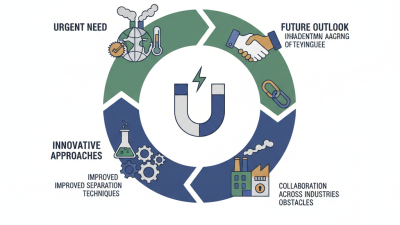
Recycling rare earth magnets in China is an urgent issue. The country's rapid electronic expansion raises questions about long-term sustainability. Innovations in recycling processes are essential. Current methods often struggle with efficiency and cost. Many magnets end up in landfills, which is a missed opportunity.
Future strategies should prioritize developing advanced separation techniques. Utilizing state-of-the-art technology can enhance recovery rates. Research into eco-friendly solvents for magnet extraction might provide new solutions. Education plays a vital role too. Raising awareness about the importance of recycling can drive participation at all levels of society.
Local initiatives could lead the way. Community programs might encourage households to recycle. Engaging manufacturers in take-back schemes can close the loop on production waste. There is room for reflection on current practices. Are we doing enough to support these efforts? Sustainable practices need to evolve alongside technology. Most importantly, a collective commitment is required to ensure that rare earth materials remain in circulation.