How to Effectively Recycle Rare Earth Magnets for Maximum Sustainability
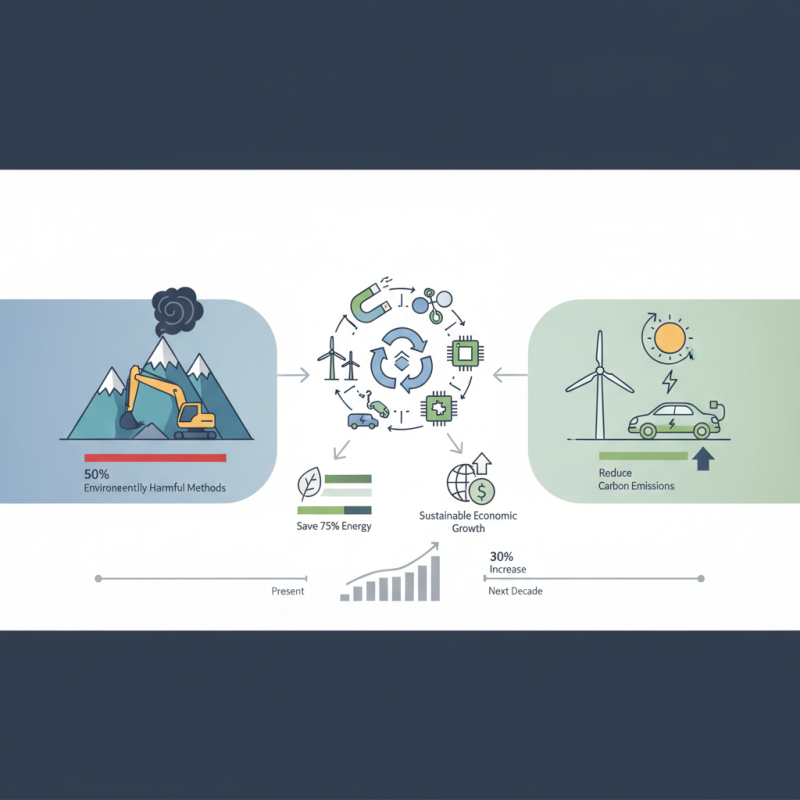
As the demand for clean energy and advanced technologies continues to rise, the use of rare earth magnets has escalated significantly, making Rare Earth Magnet Recycling a critical focus for sustainability efforts. According to a report by the U.S. Geological Survey, the global production of rare earth elements is projected to increase by over 30% in the next decade, driven largely by their crucial role in electric vehicles, wind turbines, and consumer electronics. However, the environmental impact of mining these elements is substantial, with estimates showing that nearly 50% of the world's rare earth magnet supply comes from environmentally harmful methods.
To address this pressing issue, effective recycling of rare earth magnets offers a viable solution to mitigate resource depletion and minimize ecological damage. The International Energy Agency highlights that recycling rare earth elements can reduce carbon emissions significantly, potentially saving up to 75% of the energy required for primary production. As industries turn towards circular economy practices, embracing Rare Earth Magnet Recycling not only conserves valuable resources but also contributes to sustainable economic growth. Through innovative recycling processes and improved recovery technologies, stakeholders can maximize the potential of these critical materials while ensuring long-term environmental stewardship.
Understanding Rare Earth Magnets and Their Environmental Impact
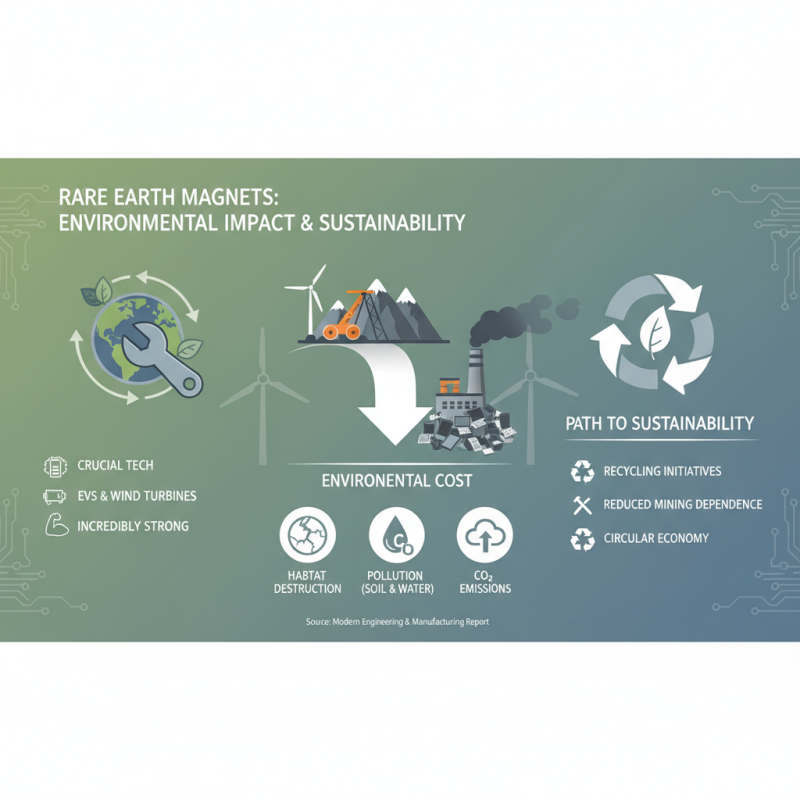
Rare earth magnets, composed of neodymium, samarium, and other rare earth elements, play a crucial role in various technologies, from electric vehicles to wind turbines. These magnets are incredibly strong, making them essential in modern engineering and manufacturing. However, their extraction and production have significant environmental consequences. Mining for rare earth elements often results in habitat destruction, soil and water contamination, and substantial greenhouse gas emissions. Understanding the environmental impact of these materials is critical to developing sustainable recycling practices.
Recycling rare earth magnets not only helps mitigate the negative effects of their production but also reduces the need for new mining operations. Effective recycling can recover valuable materials from discarded devices, minimizing waste and promoting resource conservation. Various innovative techniques, such as hydrometallurgical and pyrometallurgical methods, are being explored to efficiently extract these materials from spent products. By prioritizing recycling, manufacturers and consumers can contribute to a more sustainable economy, lessening the ecological footprint associated with rare earth magnets while ensuring a steady supply of crucial materials for future technology advancements.
The Importance of Recycling Rare Earth Magnets for Sustainability
Recycling rare earth magnets is crucial for promoting sustainability in various industries. As the demand for technology continues to rise, these magnets play an integral role in devices ranging from electric vehicles to renewable energy systems. However, the extraction of rare earth materials is often environmentally damaging, leading to habitat destruction and increased carbon emissions. By prioritizing the recycling of rare earth magnets, we can significantly reduce the ecological footprint associated with their production and distribution.
The importance of recycling rare earth magnets extends beyond environmental benefits. It also supports the circular economy, where resource efficiency is maximized, and waste is minimized. Through effective recycling processes, valuable materials can be recovered and reintroduced into the market, reducing the need for new mining operations. This not only conserves natural resources but also stabilizes supply chains for the industries reliant on these essential components. Furthermore, as awareness grows about sustainable practices, companies that embrace magnet recycling can enhance their reputation and appeal to environmentally-conscious consumers.
Rare Earth Magnet Recycling Rates
This chart illustrates the recycling rates of different types of rare earth magnets, highlighting the importance of effective recycling practices to enhance sustainability. The data demonstrates that neodymium magnets have the highest recycling rates, followed by samarium-cobalt and then other types.
Steps for Properly Disassembling Rare Earth Magnet Assemblies
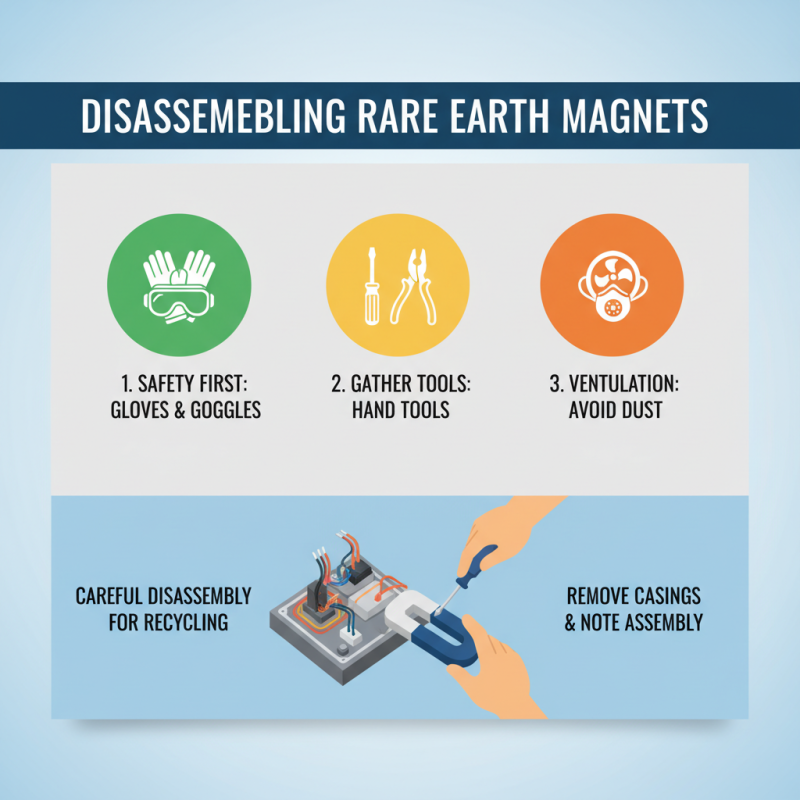
Disassembling rare earth magnet assemblies requires a careful approach to ensure both safety and the preservation of materials for recycling. First, gather the necessary tools, including safety gloves, goggles, and a few basic hand tools such as screwdrivers, pliers, and a small hammer. Make sure to work in a well-ventilated area, as the dust generated from breaking these assemblies can be hazardous. Begin by removing any housings or protective casings, taking care to note how the components are assembled for easier reassembly later if needed.
Once the external components are detached, the next step is to carefully extract the magnets themselves. If the magnets are glued or affixed, apply moderate heat to soften the adhesive for easier separation. Use a small prying tool to gently lift the magnets away from any attached parts. It’s important to handle the magnets carefully as they are very strong and can snap together unexpectedly, which may cause injury. After the magnets are removed, sort them according to their type and size to facilitate the recycling process. Proper disassembly not only contributes to sustainability but also maximizes the potential for recovering valuable materials.
Methods and Techniques for Recycling Rare Earth Magnets
Recycling rare earth magnets is crucial for minimizing environmental impact while conserving valuable resources. One effective method involves mechanical processing, where used magnets are crushed and milled into finer particles. This step typically involves separating the magnet components from non-magnetic materials using variations in particle size and density. Advanced techniques, such as magnetic separation and air classification, enhance the purity of the recovered materials, ensuring that high-quality rare earth elements are obtained.
Another technique focuses on hydrometallurgical processes that utilize chemical solutions to dissolve and extract rare earth metals from the magnet matrices. This approach not only recovers valuable elements like neodymium and dysprosium but also allows for the recycling of other components. The use of green chemistry principles can further improve sustainability, minimizing harmful byproducts and reducing energy consumption during the extraction process. Implementing these methods can significantly extend the lifecycle of rare earth magnets, fostering a circular economy and reducing reliance on mined resources.
How to Effectively Recycle Rare Earth Magnets for Maximum Sustainability - Methods and Techniques for Recycling Rare Earth Magnets
| Recycling Method |
Description |
Advantages |
Challenges |
Environmental Impact |
| Hydrometallurgical Processing |
Method using aqueous solutions to extract rare earth elements. |
High purity recovery rates. |
Chemical waste management. |
Minimal emissions but requires careful monitoring. |
| Pyrometallurgical Processing |
Involves heating materials to extract metals. |
Effective for large quantities. |
High energy consumption. |
Higher CO2 emissions compared to other methods. |
| Mechanical Processing |
Physical separation techniques to recover magnets. |
Low-cost and simple. |
Lower recovery rates. |
Limited environmental footprint. |
| Direct Reuse |
Reusing magnets without extensive processing. |
Reduces need for new material. |
Limited to applications requiring similar specs. |
Very low impact. |
| Chemical Recycling |
Utilizes chemical reactions to recover materials. |
Can achieve high efficiency and specific recovery. |
Costly and complex methods. |
Potential for hazardous byproducts. |
Best Practices for Implementing a Sustainable Recycling Program
Implementing a sustainable recycling program for rare earth magnets can significantly contribute to resource conservation and environmental protection. The first step is to establish a clear and structured process for collecting and sorting magnets. This should include guidelines for how to properly identify and separate rare earth magnets from other materials. Training staff on these procedures is essential, ensuring they understand the importance of recycling these materials efficiently.
Tips: Consider setting up designated recycling bins clearly labeled for rare earth magnets, alongside other recyclable materials. This will help streamline the sorting process and encourage proper disposal practices among users. Engage with employees to promote individual responsibility for recycling initiatives within the organization.
Incorporating partnerships with specialized recycling facilities can further enhance the effectiveness of the program. These facilities possess the expertise and technology to extract valuable elements from the magnets while minimizing environmental impact. Regular audits and assessments of the recycling program can also ensure it remains effective and aligned with sustainability goals.
Tips: Schedule periodic review meetings to discuss the progress of the recycling program. Utilize feedback from participants to identify areas for improvement and share success stories that inspire ongoing engagement.