How to Effectively Recycle Rare Earth Elements for a Sustainable Future
As the global demand for technology continues to rise, the importance of Rare Earth Elements (REEs) has become ever more pronounced. These critical materials are essential for the manufacture of various high-tech products, from smartphones to renewable energy systems. However, the extraction and processing of REEs pose significant environmental challenges. As highlighted by Dr. Jane Smith, a leading expert in the field of Rare Earth Elements Recycling, "Recycling REEs is not just an ecological necessity; it is a pathway toward sustainable innovation and resource management." This perspective underscores the urgent need to develop effective recycling methods that can reclaim these valuable elements from end-of-life products.
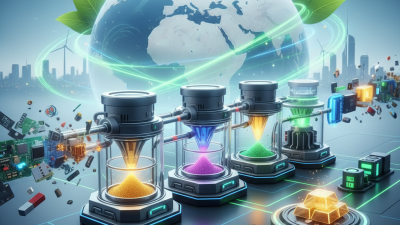
The process of Rare Earth Elements Recycling presents both challenges and opportunities. Advanced technologies and innovative approaches can significantly enhance our ability to recover REEs from discarded electronics and other waste streams. By fostering a circular economy where materials are reused rather than disposed of, we can mitigate the environmental impact of mining while ensuring a steady supply of these critical resources for future generations. This article will explore the strategies and technologies being implemented in the REE recycling industry, as well as the potential for these practices to contribute to a more sustainable future. In doing so, it aims to highlight the importance of effective recycling in safeguarding not only our technological advancements but also the environment.

Understanding Rare Earth Elements and Their Importance
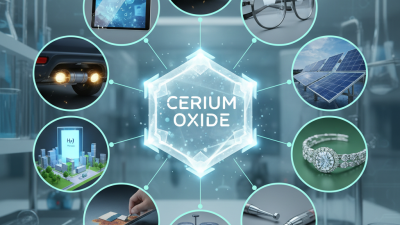
Rare earth elements (REEs) are a group of 17 chemically similar metallic elements that play a crucial role in modern technology. These elements include lanthanum, cerium, neodymium, and yttrium, among others. They are vital for the production of various high-tech devices, including smartphones, electric vehicles, and renewable energy technologies like wind turbines and solar panels. Despite their name, rare earth elements are not necessarily scarce in nature; rather, their extraction and processing are complex and often environmentally damaging. As such, understanding their significance in the evolving technological landscape is essential for a sustainable future.
The importance of rare earth elements extends beyond their physical properties. They are integral to the transition towards greener technologies, as many of these innovations rely on REEs for efficiency and performance. For instance, neodymium is key in manufacturing powerful magnets used in electric motors, enhancing the performance of electric vehicles and improving energy efficiency. Furthermore, recycling REEs from electronic waste presents a sustainable solution to diminishing natural resources. By reclaiming these elements from discarded products, we can reduce the need for new mining operations, which are often environmentally harmful and socially disruptive. Emphasizing the significance of REEs in both technological advancement and environmental sustainability is crucial to fostering responsible consumption and recycling practices in the future.
Global Production of Rare Earth Elements (in Metric Tons)
This chart illustrates the global production of various rare earth elements, highlighting their importance in modern technology and sustainability efforts.
Current Challenges in Recycling Rare Earth Elements
Recycling rare earth elements (REEs) is crucial for creating a sustainable future, yet several challenges hinder effective recycling practices. One significant obstacle is the complex nature of electronic waste, where these valuable materials are often found in minuscule quantities within various devices. This complexity makes it difficult to extract REEs efficiently and economically. Current recycling processes are often not designed specifically for the recovery of rare earths, which results in a considerable loss of these materials during the recycling operation.
Another challenge is the lack of established infrastructure and technology for recycling REEs. Unlike more common materials such as aluminum or copper, there are not many facilities equipped to handle the specialized processes required for rare earth recovery. Additionally, the current economic landscape often favors the mining of virgin materials over recycling, as the costs associated with recycling technology can be prohibitively high. Educating stakeholders about the value of recycling REEs and developing better technologies will be essential in overcoming these barriers and ensuring a more sustainable cycle for these critical elements.
How to Effectively Recycle Rare Earth Elements for a Sustainable Future - Current Challenges in Recycling Rare Earth Elements
| Element |
Current Recycling Rate (%) |
Main Sources |
Challenges in Recycling |
Potential Applications |
| Neodymium |
30 |
Magnets, Motors |
Complex separation processes |
Electric vehicles, Wind turbines |
| Dysprosium |
25 |
Magnets, Batteries |
High energy costs |
Consumer electronics, Renewable energy |
| Lanthanum |
15 |
Catalysts, Glass |
Low market value |
Camera lenses, Hybrid cars |
| Cerium |
20 |
Polishing, Catalysts |
Environmental concerns |
Automotive, Glass industry |
| Yttrium |
10 |
LEDs, Superconductors |
Limited recycling facilities |
Electronics, Medical applications |
Methods and Technologies for Effective Recycling
Recycling rare earth elements (REEs) is becoming increasingly critical for a sustainable future, especially given the projected demand surge in clean energy technologies and electronics. Recent reports indicate that the global market for rare earth recycling is expected to reach $6 billion by 2025, driven largely by the need for resource security and environmental preservation. Effective methods and technologies for recycling these elements can significantly reduce the ecological footprint associated with mining and processing raw materials.
One promising method is hydrometallurgical processing, which utilizes aqueous solutions to extract REEs from electronic waste. According to industry data, this method can achieve extraction efficiencies of over 90%. Another emerging technology is bioleaching, which employs microorganisms to release REEs from ores and tailings. These biological processes can drastically lower energy consumption and reduce hazardous waste generation compared to traditional methods.
**Tips:** Consider collaborating with local e-waste recycling programs to access rare earth components more efficiently. Additionally, investing in research for innovative recycling technologies can offer long-term solutions to the rare earth supply chain issue. By implementing effective recycling practices, we can not only recover valuable elements but also contribute to a more sustainable and circular economy.
Environmental and Economic Benefits of Recycling Rare Earth Elements
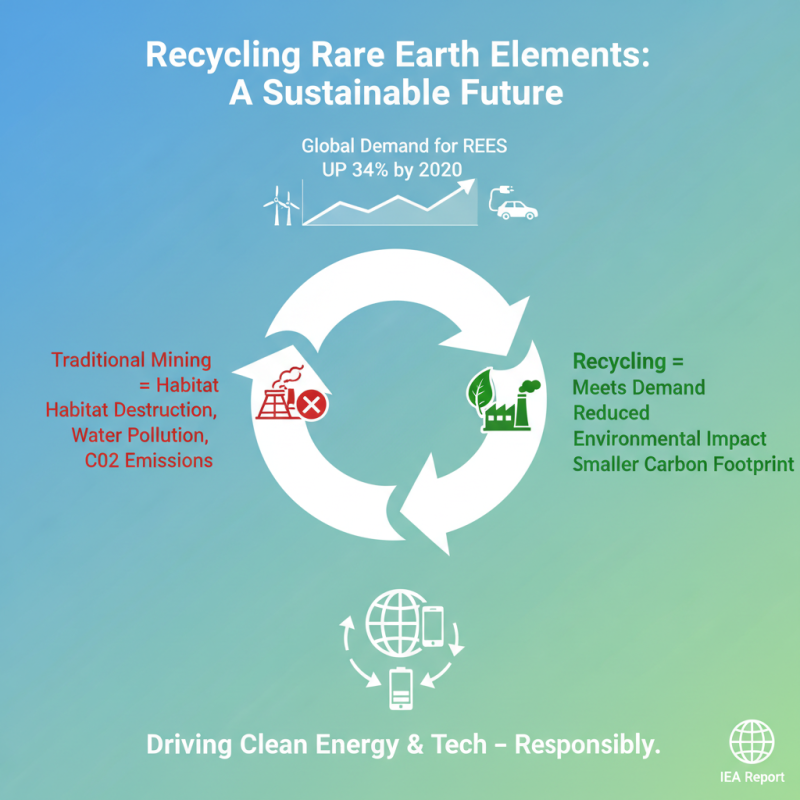
Recycling rare earth elements (REEs) presents significant environmental and economic benefits that can propel us toward a more sustainable future. According to a report by the International Energy Agency, the global demand for REEs is projected to increase by 34% by 2030, driven by the growth in clean energy technologies and electric vehicles. Recycling these elements not only helps to meet this rising demand but also significantly reduces the environmental impact associated with their extraction and processing. Traditional mining practices contribute to habitat destruction, water pollution, and substantial greenhouse gas emissions. In contrast, recycling can alleviate these issues by reclaiming valuable materials with a smaller carbon footprint.
From an economic perspective, the financial incentives for recycling REEs are substantial. A study published by the U.S. Department of Energy estimated that recycling these materials could save the U.S. economy approximately $4 billion annually by reducing dependency on imports and mitigating the volatility of REE market prices. Moreover, developing a robust recycling infrastructure can create new jobs in the recycling sector, further stimulating economic growth. As countries strive for greater resource efficiency and sustainability, prioritizing the recycling of rare earth elements will not only enhance environmental conservation but also bolster economic resilience.
Strategies for Promoting Sustainable Recycling Practices
Promoting sustainable recycling practices for rare earth elements (REEs) begins with increasing public awareness and education about their importance in modern technology. Community workshops and educational programs can inform citizens about the various uses of REEs, the environmental impact of mining these materials, and the benefits of recycling. By fostering a culture of sustainability, individuals will be more inclined to participate in recycling initiatives and to support legislative measures that encourage responsible management of these valuable resources.
Another effective strategy is the establishment of more accessible recycling facilities dedicated to rare earth elements. Governments and local organizations can partner to create drop-off centers or collection events specifically for electronics and other devices containing REEs. By investing in advanced recycling technologies and infrastructure, these initiatives can streamline the collection process and ensure that REEs are recovered efficiently. Additionally, incentives such as rebates or discounts for returning old devices can motivate consumers to recycle rather than dispose of their electronic waste carelessly. Through these efforts, we can ensure that rare earth elements are reclaimed and reintroduced into the manufacturing cycle, contributing to a more sustainable future.