Top Rare Earth Materials You Need to Know for a Sustainable Future
In today's world, the transition towards a sustainable future is more critical than ever, and one of the pivotal elements underpinning this shift is Rare Earth Materials. These unique elements, often overlooked, play a crucial role in a wide range of technologies that promote energy efficiency, renewable energy solutions, and advanced electronics. As we strive to reduce our carbon footprint and embrace sustainable practices, understanding the significance of Rare Earth Materials becomes essential for innovation and environmental stewardship.
The growing demand for clean energy solutions—such as wind turbines, solar panels, and electric vehicles—highlights the indispensable role that Rare Earth Materials have in modern technology. These materials are not just a component of high-tech gadgets, but they are also integral to achieving energy independence and reducing reliance on fossil fuels. As industries and governments worldwide push for greener initiatives, the awareness and utilization of Rare Earth Materials will determine the effectiveness of these efforts.
As we delve into the top Rare Earth Materials essential for a sustainable future, we will explore their properties, applications, and the challenges associated with their sourcing and sustainability. Understanding these materials is not only crucial for industries but also for consumers who seek to make informed choices in support of a more sustainable planet.

Top Rare Earth Materials for a Sustainable Future: An Overview
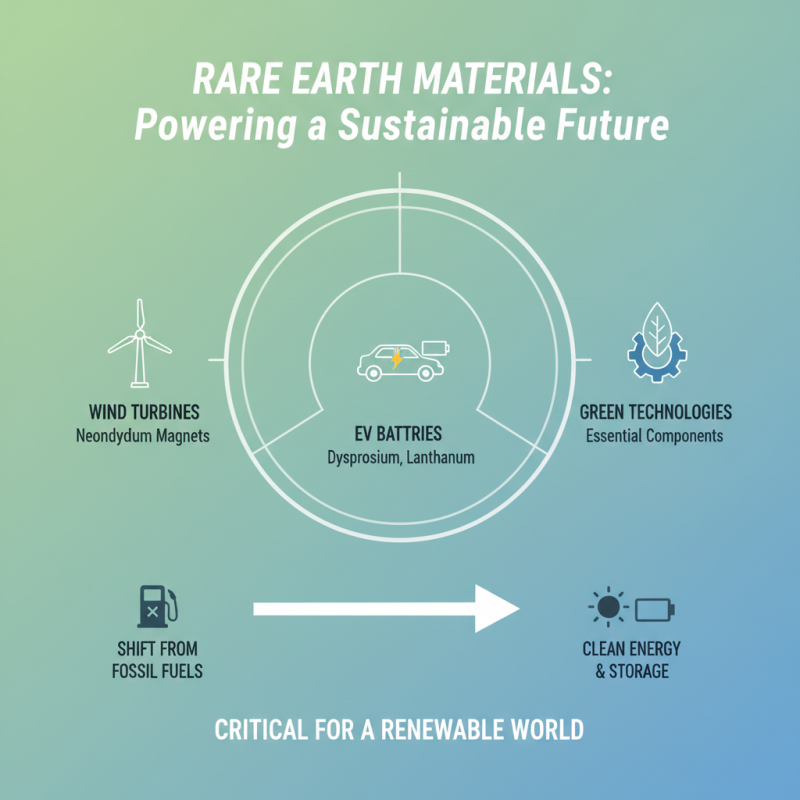
Rare earth materials play a pivotal role in the transition toward a sustainable future. These elements, including neodymium, dysprosium, and lanthanum, are essential components in various green technologies. For instance, neodymium magnets are critical in the production of wind turbines, contributing to clean energy generation. Additionally, these materials are found in batteries for electric vehicles, enhancing energy storage efficiency and facilitating the shift from fossil fuels to renewable resources.
The growing demand for rare earth elements underscores their importance in developing sustainable technologies. As industries increasingly focus on reducing carbon footprints, the extraction and recycling of these materials have become crucial. Advances in sustainable mining and recycling processes can significantly lessen the environmental impact associated with rare earth extraction. Moreover, innovations in material science pave the way for alternative materials that could reduce reliance on traditional rare earth elements, supporting a circular economy. Understanding and harnessing these materials will be vital as we strive for a greener, more sustainable future.
Global Demand Forecast for Rare Earth Elements in Renewable Energy
The global demand for rare earth elements (REEs) is set to surge, especially in the context of the renewable energy sector. A recent report by the International Energy Agency (IEA) indicates that the adoption of electric vehicles (EVs) and renewable energy technologies will drive the demand for rare earth materials significantly. By 2040, the IEA projects that the EV market will require approximately 70% of the world's supply of neodymium, a critical component in high-performance magnets used in wind turbines and electric motors.
Moreover, a study conducted by the U.S. Geological Survey (USGS) anticipates that the demand for lanthanum and cerium, used in batteries and catalysts, will double by 2030 due to the growing focus on clean energy solutions. The need for these materials is further emphasized by their essential roles in reducing greenhouse gas emissions and enhancing energy efficiency. As nations strive to meet international climate commitments, the reliance on rare earth materials for innovative technologies will only intensify, highlighting the importance of sustainable mining practices and recycling initiatives to ensure a stable supply chain for the future.
Top Rare Earth Materials You Need to Know for a Sustainable Future
| Material |
Common Uses |
2023 Global Demand (Thousand Metric Tons) |
2028 Projected Demand (Thousand Metric Tons) |
Growth Rate (%) |
| Neodymium |
Permanent Magnets, Electric Motors |
50 |
75 |
8.5% |
| Lithium |
Batteries for EVs, Energy Storage |
95 |
150 |
9.5% |
| Dysprosium |
High-Temperature Magnets |
8 |
12 |
8.5% |
| Praseodymium |
Specialty Glass, Lighting |
15 |
20 |
6.5% |
| Terbium |
Phosphors, Solid-State Devices |
6 |
9 |
8.0% |
Key Properties of Rare Earth Materials and Their Applications in Green Tech
Rare earth materials, comprising a group of 17 chemical elements, play a crucial role in advancing green technology due to their unique properties. These materials are characterized by their high magnetic susceptibility, luminescent qualities, and excellent catalytic capabilities. Specifically, elements like neodymium and dysprosium are pivotal in producing powerful magnets essential for electric vehicle motors and wind turbine generators. Additionally, europium and terbium are vital for energy-efficient lighting and displays, contributing to innovations in LED technology.
In the realm of clean energy, rare earth materials are instrumental in enhancing the efficiency of energy storage systems and batteries. Lanthanum, for instance, is widely used in nickel-metal hydride batteries, which are critical for hybrid vehicles. Moreover, these elements facilitate advancements in renewable energy technologies, such as photovoltaic cells and advanced energy storage solutions. As the world transitions towards a more sustainable future, harnessing the unique properties of rare earth materials will be imperative for developing innovative technologies that reduce carbon footprints and promote energy efficiency.
Top Rare Earth Materials in Green Technology
The chart above illustrates the usage of top rare earth materials in various green technologies, measured in tons. Neodymium has the highest application, primarily in wind turbines and electric motors, followed by Lanthanum used in batteries.
Leading Producers of Rare Earth Elements: Market Share and Industry Trends
The global market for rare earth elements (REEs) is dominated by a few key producers who control a significant share of the supply. Leading the way are countries with rich natural deposits, as well as advanced processing capabilities, which allow them to cater to the increasing demand from various industries such as electronics, renewable energy, and defense. Trends in the industry reveal that these producers are not only focused on extraction but are also investing heavily in sustainable practices to minimize environmental impacts.
As the push for a sustainable future intensifies, companies within the rare earth sector are exploring innovative recycling methods and alternative sourcing strategies. These initiatives aim to reduce dependency on traditional mining and mitigate the associated ecological concerns. Furthermore, geopolitical dynamics are influencing the market, with countries striving for greater self-sufficiency in REEs to ensure stable supply chains. This shift is prompting new partnerships and investments, highlighting the industry's evolution towards more sustainable and responsible production practices. The confluence of environmental awareness and strategic market positioning will undoubtedly shape the future landscape of rare earth element production.
Environmental Impact of Rare Earth Mining and Recycling Innovations
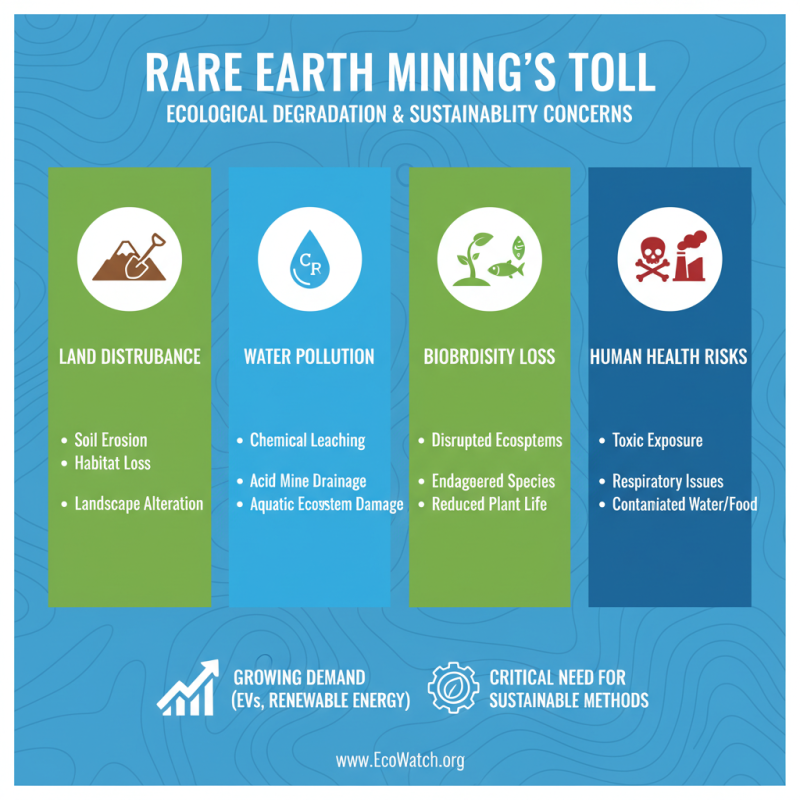
The environmental impacts of rare earth mining are significant, raising concerns about ecological degradation and sustainability. Traditional mining processes often involve extensive land disturbance, which can lead to soil erosion, water pollution, and loss of biodiversity. Chemicals used during extraction can leach into surrounding ecosystems, posing risks to wildlife and human health. As the demand for these materials grows in technologies such as electric vehicles and renewable energy sources, the need for more sustainable mining methods becomes critical.
Innovations in recycling are paving the way for a more sustainable approach to rare earth materials. Recycling existing rare earth elements from discarded electronics and other products can greatly reduce the reliance on natural mining and mitigate its environmental impacts. Advanced technologies are being developed to efficiently recover these materials while minimizing waste. Moreover, the circular economy model emphasizes the importance of reusing and repurposing materials, thereby conserving natural resources and reducing the carbon footprint associated with mining. As these recycling methods advance, they present a viable solution to the environmental challenges posed by rare earth mining, fostering a more sustainable future.