Why Are Rare Earth Metals Important for Modern Technology?
Rare Earth Metals play a crucial role in modern technology. These elements, though termed "rare," are essential for various high-tech applications. Their unique properties enable advancements in electronics, renewable energy, and telecommunications.
For instance, Rare Earth Metals are key components in the production of powerful magnets used in electric vehicles and wind turbines. They improve efficiency and sustainability. Additionally, smartphones and tablets rely on these metals for miniaturized components, enhancing performance.
However, the extraction and processing of Rare Earth Metals pose challenges. Environmental impacts and geopolitical issues create a complex landscape surrounding their production. Many countries seek sustainable solutions, but progress is slow. This ongoing struggle highlights the importance of responsible sourcing and recycling efforts. A clearer path forward is needed to ensure a stable supply for the technologies we depend on.

The Role of Rare Earth Metals in Electronics Manufacturing
Rare earth metals are crucial for electronics manufacturing. These materials are vital in creating powerful magnets, lasers, and batteries. Their unique properties enhance the efficiency and functionality of devices. From smartphones to electric vehicles, rare earth metals play an essential role. Without them, many modern technologies would not exist.
Buying electronic devices can be overwhelming. Here are some tips. Consider the materials used in your gadgets. Look for information on rare earth metals and their sourcing. Always ask about sustainability. This helps you make informed choices.
While rare earth metals are important, mining them leaves a footprint. The process can cause environmental harm. Improper disposal of electronic waste can also lead to pollution. Reflect on the lifecycle of your devices. Think about recycling and minimizing waste. Every action counts.
Key Applications of Rare Earth Metals in Renewable Energy Technologies
Rare earth metals are crucial for advancing renewable energy technologies. They play a vital role in the production of powerful magnets used in wind turbines. These magnets help convert wind energy into electricity efficiently. Without rare earths, the effectiveness of wind energy systems would decline significantly.
In solar energy applications, rare earth metals enhance the performance of photovoltaic cells. They improve energy conversion rates, making solar panels more effective. This increases the overall efficiency of solar installations. These metals also contribute to energy storage solutions, such as advanced batteries, by ensuring longevity and high performance.
Tips for enthusiasts: Consider exploring how rare earth recycling can help reduce environmental impact. Engaging with local initiatives can promote sustainability. Additionally, always stay informed about advancements in technology that utilize these metals. Supporting eco-friendly practices contributes to a greener future.
Why Are Rare Earth Metals Important for Modern Technology? - Key Applications of Rare Earth Metals in Renewable Energy Technologies
| Rare Earth Metal |
Common Applications |
Role in Renewable Energy |
| Neodymium (Nd) |
Permanent magnets in motors |
Used in wind turbines for efficient power generation |
| Dysprosium (Dy) |
High-performance magnets |
Enhances heat resistance for electric vehicle motors |
| Lanthanum (La) |
Batteries and catalysts |
Improves efficiency in lithium-ion batteries |
| Terbium (Tb) |
Fluorescent lighting and screens |
Increases efficiency in energy-saving lighting |
| Samarium (Sm) |
Magnets and neutron capture |
Used in magnetic refrigeration technology |
Market Demand and Supply Dynamics of Rare Earth Metals
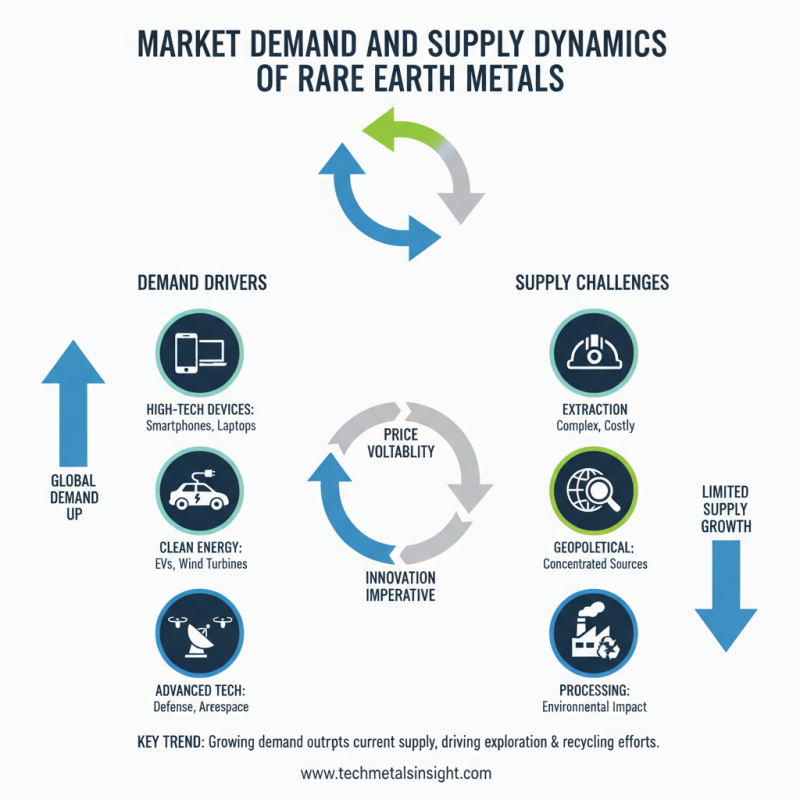
Rare earth metals play a crucial role in modern technology. These elements are essential for manufacturing various high-tech devices. From smartphones to electric vehicles, they are deeply integrated into our daily lives. The market for these metals is rapidly evolving. As demand increases, supply dynamics shift significantly.
Many nations have begun to emphasize the production of rare earth metals. However, mining and processing them can be environmentally challenging. The extraction process often results in significant waste and pollution. Moreover, geopolitical factors influence the market. Countries may restrict exports or create trade barriers. This uncertainty can affect supply chains.
Investors and industries are closely monitoring these market dynamics. They recognize the potential for profit but must also consider environmental impacts. Innovations in recycling and alternative materials are emerging. Yet, the dependency on rare earth metals persists. Finding a balance between demand and sustainable practices remains a pressing concern.
Environmental Impact and Challenges of Mining Rare Earth Metals
Mining rare earth metals is crucial for technological advancement. However, it comes with significant environmental costs. The extraction process often leads to deforestation, soil degradation, and water source contamination. These impacts are noticeable in regions where mining takes place. Wildlife habitats are disrupted, leading to a loss of biodiversity that some communities may not fully grasp.
Dealing with toxic waste is another challenge. Rare earth mining generates a substantial amount of hazardous byproducts. These chemicals can seep into groundwater and affect local agriculture. Many mining operations lack proper waste management systems. The long-term consequences often overshadow the short-term economic benefits. Communities around mining sites face ongoing health concerns that require attention.
Recycling rare earth metals could mitigate some of these impacts. However, the technology to efficiently recycle them is still underdeveloped. There is a need for investment in cleaner extraction methods. A more sustainable approach is essential. Balancing technological needs with environmental responsibility remains an ongoing dilemma. It is a complex issue that warrants deeper reflection and immediate action.
Future Trends in Rare Earth Metal Usage within Emerging Technologies
Rare earth metals are vital for the evolution of modern technology. These elements play a significant role in various emerging technologies. From renewable energy solutions to advanced electronics, their applications are endless. Wind turbines, electric vehicle batteries, and smartphones all rely on these metals.
The future trends in rare earth metal usage will undoubtedly shape the tech landscape. As industries shift towards sustainable practices, the demand for these metals will increase. However, the supply chain is fragile, with production concentrated in a few regions. Environmental concerns also arise from extraction processes. Sustainability in sourcing these materials is essential.
In electronics, miniaturization is key. Rare earth metals enable smaller, more efficient devices. But this raises questions about the environmental impact of increased mining. Innovations in recycling technology could provide solutions. The challenge lies in balancing demand with responsible usage.
Importance of Rare Earth Metals in Emerging Technologies
This chart illustrates the usage of rare earth metals across various emerging technology sectors, highlighting the significant demand for these materials in the development of modern innovations.