2026 Top Rare Earth Magnets Trends and Innovations to Watch?
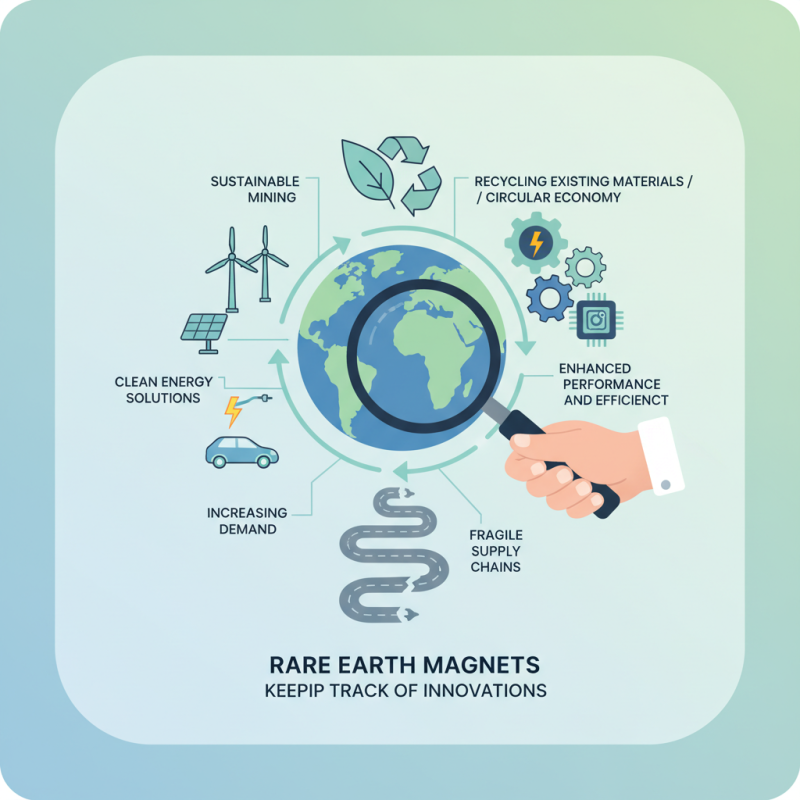
As we look towards 2026, the landscape of Rare Earth Magnets is evolving rapidly. These magnets are critical for various industries, from renewable energy to electronics. Innovations are emerging, promising enhanced performance and efficiency.
Increasing demand for clean energy solutions drives new trends in Rare Earth Magnets. Companies are exploring sustainable mining practices. Recycling existing materials is gaining traction, fostering a circular economy approach. The need for performance is vital, as technologies advance.
Yet, challenges remain. Supply chains are often fragile. Environmental concerns about mining practices highlight the need for responsible sourcing. In this dynamic environment, keeping track of innovations is essential for businesses and consumers alike. The future of Rare Earth Magnets appears promising but requires thoughtful consideration and action.
Emerging Technologies in Rare Earth Magnet Production for 2026
In 2026, rare earth magnet production is set to undergo significant changes. Emerging technologies are paving the way for more efficient and sustainable methods. Innovations in materials science are leading to new magnet compositions. These advancements promise higher performance with reduced environmental impact.
The use of advanced recycling techniques is a key area of focus. Recovering materials from old magnets can lower the demand for mining. This can lead to less habitat destruction and lower carbon emissions. Such methods require investment and infrastructure improvement. However, overcoming these challenges is essential for a greener future.
Tips: Consider the impact of your choices. Investing in sustainable products can benefit the environment. Always look for companies that prioritize eco-friendly practices. More awareness leads to better decisions. The magnet industry has room for growth and reflection. As new technologies emerge, staying informed will be crucial. Engage with educational resources to understand these shifts better.
Trends in Rare Earth Magnet Production: 2026 Projections
Key Innovations Driving Efficiency in Magnet Manufacturing Processes
The rare earth magnet industry is witnessing remarkable innovations in manufacturing processes. An estimated 32% of manufacturers are adopting automation technologies. This shift enhances productivity and reduces human error. However, the reliance on advanced tech raises concerns about job displacement in traditional settings.
Environmentally friendly practices are becoming critical. A report shows that 25% of production now utilizes recycled materials. The transformation is positive but requires ongoing assessment. Balancing ecological impact with efficiency remains a challenge.
New techniques, such as 3D printing, are evolving rapidly. Studies indicate that this method can reduce material waste by up to 70%. It allows for complex geometries not achievable through traditional methods. Yet, the technology still needs refinement and scalability to fully meet industry demands.
The trend is clear: innovations are driving efficiency. But potential pitfalls and ethical considerations abound. The future of rare earth magnets hinges on addressing these complexities while pushing forward.
Market Dynamics: Demand and Supply Trends Influencing Rare Earth Magnets
The rare earth magnets market is witnessing dynamic changes driven by supply and demand trends. As industries diversify their applications, the need for high-performance magnets grows. These magnets are crucial in sectors like electronics and renewable energy. Companies must adapt quickly to shifting demands.
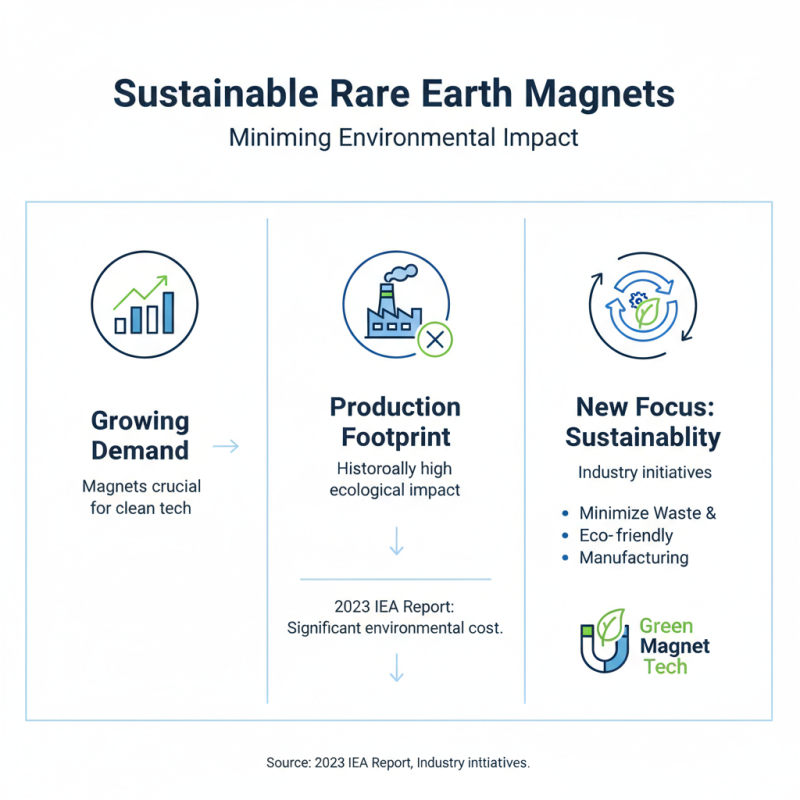
Supply issues remain a persistent challenge. Disruptions in global supply chains can affect production. Additionally, the environmental impact of rare earth mining raises concerns. Companies face pressure to find sustainable sourcing methods. Innovations in recycling could offer solutions but require broader industry adoption.
Consumer awareness is also rising. Buyers are becoming more interested in the sources of their products. The shift towards greener options is evident. However, not all industry players are ready to embrace these changes. The future depends on balancing demand with responsible practices. This balance is still a work in progress.
Future Applications: Industries Poised for Growth with Advanced Magnets
The future of advanced magnets is very promising. Industries like renewable energy, electronics, and automotive are leading the way in adopting these technologies.
Wind turbines and electric vehicles are expected to use advanced magnets more widely. These magnets enhance efficiency and performance, making them crucial for the next generation of sustainable solutions.
Tips: Consider exploring the role of lightweight materials in magnet design. Lightweight options can lead to more efficient energy consumption. This shift could redefine product designs in many sectors.
The aerospace industry also stands to gain significantly. With advancements in magnetic materials, we can expect lighter aircraft designs. This will improve fuel efficiency and reduce emissions.
However, challenges remain. Developing new materials that meet demanding safety standards is essential. The path is not straightforward, yet the potential rewards are immense.
Identify specific applications where these trends can be harnessed. For instance, integrating magnets into consumer electronics could lead to smaller devices with better battery life. Innovation here doesn’t come without effort. Ensuring compatibility and durability can be complex, but the effort is worthwhile.