Why is Rare Earth Elements Recycling Important for a Sustainable Future?
As the world accelerates toward a more sustainable future, Rare Earth Elements Recycling emerges as a crucial component. These elements are vital for modern technologies, including electronics and renewable energy systems. However, their extraction can cause significant environmental harm. This contradiction raises important questions about sustainability and stewardship.
Recycling Rare Earth Elements reduces the need for mining, which often destroYESY ecosystems. It also conserves resources, enabling us to use materials more efficiently. Despite these advantages, recycling rates remain low. Awareness and investment in recycling technologies lag behind the growing demand for these essential elements. The challenges of effective recycling processes can seem daunting, and they require reflection on our consumption habits.
An emphasis on Rare Earth Elements Recycling could lead to innovative solutions. It not only benefits the environment but also strengthens economies. We must confront the uncomfortable truth: our dependence on these materials has created wasteful practices. A shift in mindset is necessary to embrace recycling as a vital step toward sustainability.
The Role of Rare Earth Elements in Modern Technology
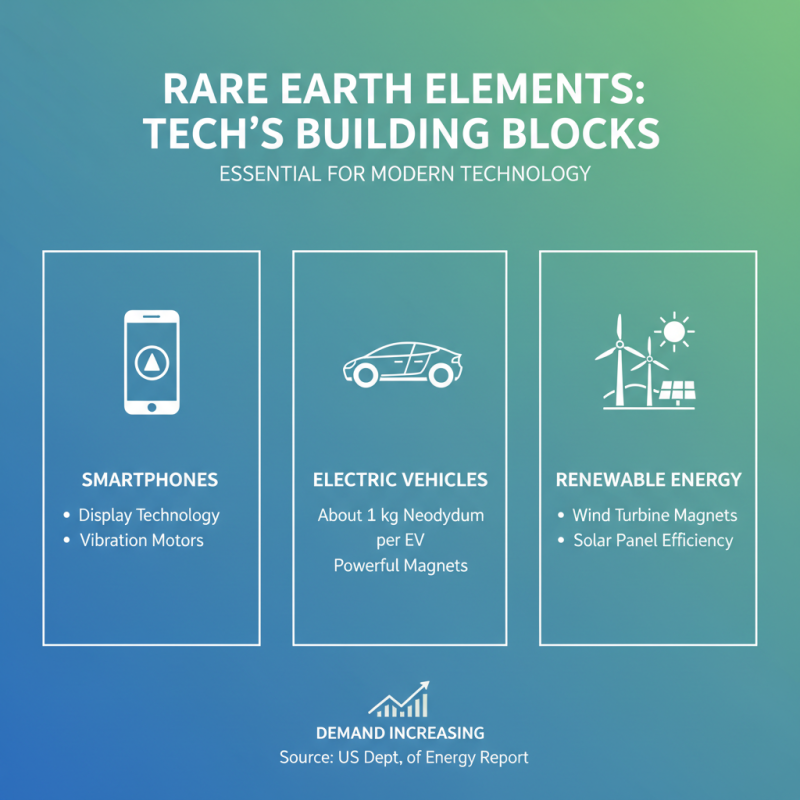
Rare earth elements (REEs) play a crucial role in modern technology. They are essential in manufacturing smartphones, electric vehicles, and renewable energy systems. According to a report by the U.S. Department of Energy, each electric vehicle contains about 1 kilogram of neodymium, a key REE used in powerful magnets. As technology evolves, the demand for these elements is steadily increasing.
However, the supply chain for REEs faces challenges. Mining processes can be environmentally damaging. Reportedly, 80% of REE production comes from a single country, leading to vulnerabilities. A 2021 report from the International Energy Agency highlighted that a sustainable future relies significantly on recycling these materials. Recycling REEs can reduce dependence on virgin materials and minimize ecological harm.
While progress is being made, the recycling infrastructure is still underdeveloped. Less than 1% of rare earth materials are recycled currently. This underutilization points to a significant gap in technological advancement and environmental stewardship. Improving the recycling process is not just necessary; it's vital for a balanced future in technology and ecology.
Environmental Impact of Mining Rare Earth Elements
Mining rare earth elements (REEs) has significant environmental consequences. The extraction process often disrupts local ecosystems. Chemicals used in mining can contaminate soil and water. According to a report by the United Nations Environment Programme, mining operations generate substantial amounts of toxic waste. This waste can linger in the environment for decades.
The energy required for mining is substantial. Studies show that producing one ton of rare earth elements can emit more than 10 tons of carbon dioxide. This is concerning in the fight against climate change. Heavy machinery, fossil fuels, and extensive land use contribute to this carbon footprint. Furthermore, mining activities can lead to habitat destruction, threatening biodiversity.
Recycling rare earth elements could mitigate many of these issues. Approximately 1% of global production is recycled currently, according to a report by the International Energy Agency. Increasing this percentage can reduce the demand for new mining operations. While recycling poses challenges, such as economic feasibility and technological barriers, it remains a critical part of achieving sustainability in our resource utilization. The question remains: how can we improve recycling technologies effectively?
Challenges in Recycling Rare Earth Elements
Recycling rare earth elements (REEs) poses significant challenges. These materials are vital for modern technology, yet their recycling is not straightforward. The recycling process often involves complex separation techniques. These techniques can be costly and require advanced technology. Many recycling facilities lack the necessary equipment to handle REEs effectively.
Additionally, the overall efficiency of recycling processes remains low. Recovering these elements from electronic waste can yield only a fraction of what’s needed. Impurities and contamination also complicate the process. Many workers engaged in this area receive limited training. This results in insufficient understanding of the nuances involved in REE recycling. As a result, valuable materials may go to waste.
Public awareness of REE recycling is still lacking. Many people do not realize the importance of sustainable practices. Education on this matter is crucial. Without proper outreach, the recycling efforts may remain underfunded and ineffective. There’s a pressing need for innovative solutions to overcome these hurdles. Sustainable future hinges on addressing these challenges now. Failing to do so will lead to strained resources and increased environmental impact.
Importance of Rare Earth Elements Recycling
Benefits of Rare Earth Elements Recycling for Sustainability
Rare earth elements (REEs) play a crucial role in technology and renewable energy. Their recycling is vital for a sustainable future. By reusing REEs, we reduce the need for mining. This protects the environment and conserves natural resources. The recycling process also lowers greenhouse gas emissions. It’s a key step toward a greener economy.
Recycling rare earth elements can minimize waste. Many electronic devices contain these materials. Often, people discard old gadgets without considering the environmental impact. Every small effort counts. Collecting old electronics can lead to significant resource recovery.
Tip: Set up a collection system in your community. Encourage others to recycle their old devices. Every action helps. While recycling is essential, it's not a perfect solution. The process still has challenges, like efficiency and cost. Reflecting on these issues can lead to better practices. Let's aim for a more sustainable approach by valuing our resources.
Why is Rare Earth Elements Recycling Important for a Sustainable Future? - Benefits of Rare Earth Elements Recycling for Sustainability
| Dimension |
Data |
| Estimated Global Demand for REEs (2023) |
200,000 metric tons |
| Recyclable REEs from Waste Electronics |
50,000 metric tons per year |
| Reduction in CO2 Emissions through Recycling |
30% reduction compared to mining |
| Job Creation Potential from REE Recycling Industry |
Over 10,000 jobs in the next decade |
| Cost Savings from Recycling vs. Mining |
Up to 40% savings |
Future Innovations in Rare Earth Elements Recovery Methods
The recycling of rare earth elements (REEs) is vital for ensuring a sustainable future. New recovery methods show great promise. Research indicates that by 2030, global demand for REEs could increase by up to 70%. This rise is due to their critical use in electronics, renewable energy, and electric vehicles. Innovative techniques, such as bioleaching and hydrometallurgical processes, are emerging in the industry. They could significantly reduce waste and enhance recovery rates.
Tips: Consider alternative materials. Exploring substitutes can reduce pressure on rare earth demand. Sustainable mining practices are also key for future supplies.
Innovations in this field focus on efficiency and environmental impact. A study revealed that new extraction methods can recover up to 95% of REEs from electronic waste. Such advancements could minimize the harmful effects associated with traditional mining. However, these methods also raise questions about economic viability. Early-stage technologies may struggle to compete with conventional practices.
Tips: Stay informed. Following industry trends can help identify breakthroughs. Engaging in discussions about technology can inspire future solutions.