Why Is Rare Earth Elements Recycling Essential for a Sustainable Future
Rare Earth Elements Recycling is becoming crucial as we face environmental challenges. Experts emphasize its importance for sustainable development. Dr. Jane Smith, a leader in the field, states, "Recycling rare earth elements opens pathways to a more sustainable future."
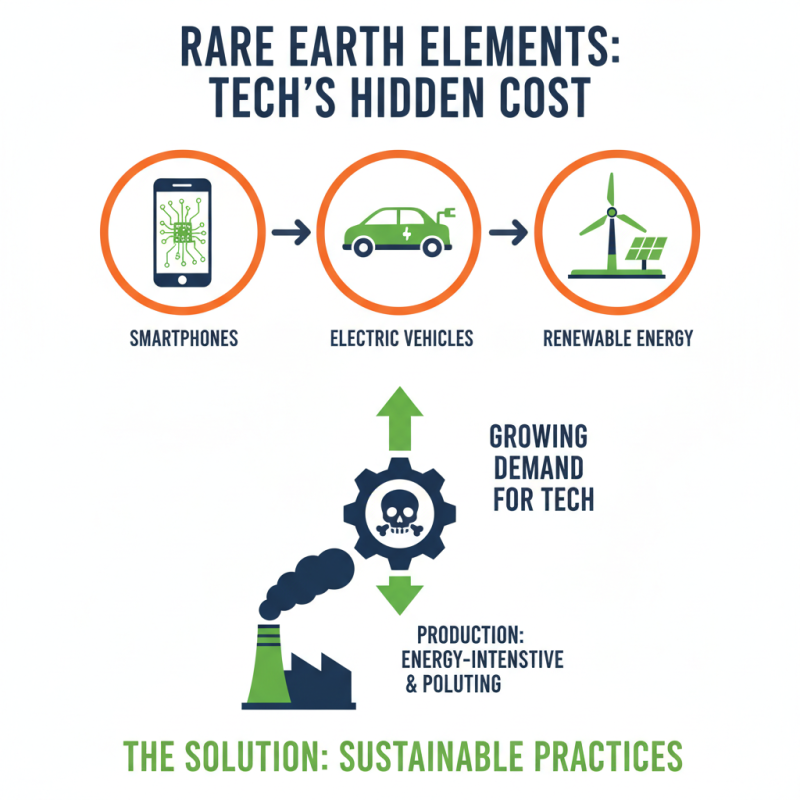
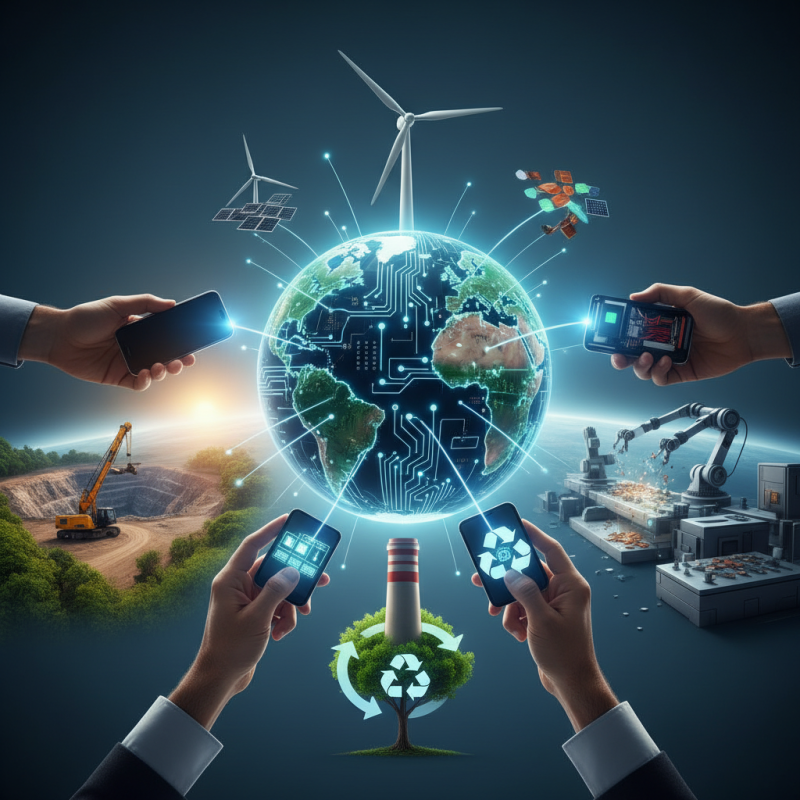
The demand for rare earth elements is rising. These materials are essential for technology. They are used in smartphones, electric vehicles, and renewable energy solutions. However, mining them poses serious environmental risks. It can lead to habitat destruction and pollution. Thus, recycling becomes an alternative to mitigate these impacts.
Yet, challenges remain. The recycling processes can be complex and costly. Not all rare earth elements can be recovered effectively. Awareness and investment in recycling technology are critical. We must reflect on our consumption habits and build a circular economy. Rare Earth Elements Recycling is not just a solution; it is a necessity for our planet's future.
The Importance of Rare Earth Elements in Modern Technology
Rare earth elements (REEs) play a crucial role in modern technology. They are found in smartphones, electric vehicles, and renewable energy systems. The production of these elements is energy-intensive and environmentally damaging. As the demand for technology rises, so does the need for sustainable practices.
Recycling REEs can significantly reduce environmental harm. Each year, tons of electronic waste end up in landfills. This waste contains valuable rare earth materials that can be recovered. However, current recycling methods are often inefficient. Many existing processes can recover only a small fraction of these elements. Improving these techniques is vital for a sustainable future.
The dependency on REEs raises questions about ethical sourcing. Mining operations often endanger ecosystems and local communities. Balancing technology needs with environmental responsibility is challenging. We must reflect on how our consumption affects the planet. Pursuing efficient recycling methods could offer a path forward. It is essential for ensuring that future generations can benefit from technology without sacrificing the environment.
Environmental Impacts of Rare Earth Mining and Processing
Rare earth elements (REEs) play a crucial role in modern technology. However, their extraction and processing can cause severe environmental harm. The mining process often leads to soil degradation and water contamination. Toxic chemicals used in extraction can seep into local water sources. This pollution affects both ecosystems and human health. Wildlife suffers, and communities face long-term consequences.
Processing these elements also generates massive waste. Tailings, often containing hazardous materials, accumulate in large quantities. These byproducts can lead to air pollution as well. Dust from tailings can carry harmful particles over miles. Nearby residents may breathe in this contaminated air, posing serious health risks. The landscape transforms, losing its natural beauty.
As we push for sustainability, recycling rare earth elements becomes essential. It reduces reliance on mining while minimizing environmental damage. Recycling can also lessen the demand for new materials. Despite progress, challenges remain. Current recycling techniques may not be efficient or cost-effective. Therefore, we must rethink our approach to recover these valuable resources while protecting the planet. Each step forward can make a difference in our environmental impact.
Why Is Rare Earth Elements Recycling Essential for a Sustainable Future - Environmental Impacts of Rare Earth Mining and Processing
| Impact Category |
Description |
Environmental Impact (Scale) |
| Soil contamination |
Leaking chemicals from mining processes can render soil unfit for agriculture. |
High |
| Water pollution |
Runoff from mining operations can contaminate water sources with heavy metals. |
Severe |
| Air pollution |
Dust and emissions from mining and processing operations can affect air quality. |
Moderate |
| Biodiversity loss |
Habitat destruction from mining operations can lead to species extinction. |
High |
| Resource depletion |
Non-renewable resources being exhausted due to extraction practices. |
Critical |
Challenges in Rare Earth Elements Recycling
Recycling rare earth elements (REEs) poses significant challenges that hinder sustainable practices. One major issue is the complexity of the recycling process. Rare earth metals are often embedded within complex electronic devices. Extracting them requires advanced technology and considerable energy, making recycling costly. Current methods can recover only about 1% to 3% of the rare earth elements from electronic waste.
Additionally, the environmental impact of traditional mining is stark. Producing one ton of rare earth elements can generate up to 13 tons of toxic waste. This toxicity leads to soil and water contamination. Tackling these environmental issues through effective recycling programs is essential.
Moreover, the supply chain for recycled REEs remains underdeveloped. There is a lack of infrastructure to support large-scale recycling initiatives. According to reports, only 10% of the global demand for rare earth elements is currently met through recycling. This gap presents a critical challenge that must be addressed to move toward a circular economy, minimizing the reliance on virgin materials. Investing in new recycling technologies and fostering collaboration within the industry are vital steps for improvement.
Benefits of Recycling Rare Earth Elements for Sustainability
Recycling rare earth elements (REEs) is vital for our planet's health. These materials are crucial for technology, yet their extraction is harmful. Mining leads to soil degradation and water pollution. So, recycling offers a better path. It reduces the need for new mining, which can save ecosystems.
Reusing REEs can significantly lower energy consumption. Traditional mining methods are energy-intensive. In contrast, recycling generally requires less energy. The process can minimize greenhouse gas emissions. It also creates jobs in sustainable industries, which can bolster local economies.
However, recycling isn't without challenges. The technology for efficient recycling is still developing. Not all REEs are easily recyclable. Awareness among consumers is low. Many don't know about the advantages. Encouraging recycling habits is crucial for a sustainable future. We must push for more education and better technologies.
Innovative Technologies in Rare Earth Elements Recovery and Recycling
The recycling of rare earth elements (REEs) is becoming critical for sustainability.
Innovative technologies are leading the way in this area. These methods focus on recovering valuable materials from discarded electronics.
With the rise of electric vehicles and renewable energy devices, REEs have become indispensable.
Advanced techniques such as hydrometallurgy and pyrometallurgy
are revolutionizing the recovery process. These methods can extract REEs effectively, even from minuscule amounts in waste.
For example, using ionic liquids in hydrometallurgy has shown promising results. However, challenges remain in refining these processes.
Efficiency and cost-effectiveness need constant evaluation.
Tips: Recycling centers should adopt modern tech. Upgrading equipment improves recovery rates significantly.
It’s also essential to educate consumers about recycling processes. Increased awareness leads to higher participation in recycling programs.
Even small efforts can create a ripple effect in sustainability. There’s still much work to do before these technologies are widely accessible.
Are we doing enough?