Top Rare Earth Materials to Watch in 2025: Trends and Insights
In the rapidly evolving landscape of technology and sustainability, the critical importance of Rare Earth Materials is becoming increasingly evident. With a growing demand across various industries, including renewable energy, electronics, and defense, understanding the trends and insights surrounding these materials is essential for stakeholders. As Dr. Emily Carter, a leading expert in Rare Earth Material research, aptly stated, "The future of modern technology hinges on our ability to secure and innovate with rare earth elements." This underscores the significance of keeping a keen eye on the developments within the Rare Earth Material sector as we approach 2025.
As global initiatives strive toward cleaner energy and advanced technological solutions, the spotlight on Rare Earth Materials will only intensify. The shifts in mining policies, recycling efforts, and geopolitical dynamics are poised to reshape the supply and demand balance, presenting new opportunities and challenges. Industry leaders and policymakers must navigate these complexities to harness the full potential of Rare Earth Materials, ensuring an equitable and sustainable future for all. The insights gathered will be pivotal in guiding investments and innovations that can drive the next wave of technological advancement and environmental stewardship.

Driving Forces Behind Rare Earth Material Demand in 2025
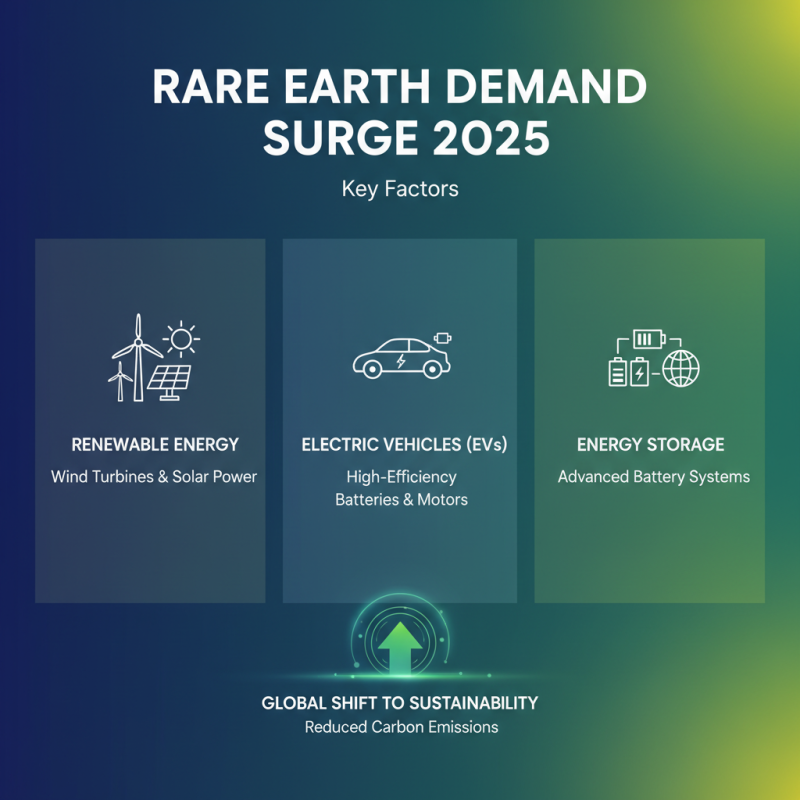
The demand for rare earth materials is expected to surge in 2025, driven by several key factors. One of the most significant forces is the increasing shift towards renewable energy technologies. As the world aims to reduce carbon emissions, the reliance on rare earth elements for the production of high-efficiency batteries, wind turbines, and electric vehicles grows. These materials are critical in enhancing the performance of energy storage systems, making them indispensable in the transition to a sustainable energy future.
Another driving force is the expanding technology sector, particularly in the fields of telecommunications and electronics. The rapid advancement of 5G technology and the rising adoption of smart devices require rare earth materials for components like capacitors and circuit boards. As consumer demand for smarter, faster, and more efficient devices escalates, so too will the need for these specialized materials.
Tip: To stay ahead in this evolving landscape, consider focusing on industries that are heavily reliant on rare earth elements, and keep an eye on the latest innovations in material science. By understanding the trends shaping demand, businesses and investors can strategically position themselves for opportunities in the rare earth market as it continues to grow.
Key Rare Earth Elements to Monitor in Upcoming Years
As we look towards 2025, the significance of rare earth elements (REEs) continues to grow, driven by advancements in technology and a global shift towards sustainability. Among the key elements to monitor are neodymium and dysprosium, which play crucial roles in the production of high-strength magnets used in electric vehicles and renewable energy technologies. The demand for these materials is expected to surge as industries pivot towards electrification and green technologies, making them vital for future innovations.
In addition, lithium and cerium are gaining attention due to their applications in battery technologies and catalytic converters, respectively. Lithium's importance skyrockets with the rise of electric vehicles and energy storage solutions, where it serves as a critical component for high-performance batteries. Cerium, meanwhile, is indispensable for environmental applications, especially in reducing emissions from automotive exhausts. As industries adapt to stringent environmental regulations, monitoring these elements will be crucial for businesses and investors aiming to capitalize on emerging opportunities in the rare earths market.
Emerging Technologies Utilizing Rare Earth Materials
Emerging technologies are increasingly reliant on rare earth materials, which play a crucial role in several high-tech applications. With the rise of electric vehicles, renewable energy technologies, and advanced electronics, the demand for these materials is expected to surge by 2025. Innovations in battery technology, particularly in solid-state batteries, are highlighting the essential role of rare earth elements in improving efficiency and safety. These advancements can significantly elevate the energy density and longevity of batteries, making them a key area for research and investment.
Additionally, the integration of rare earth materials in the development of clean energy solutions, such as wind turbines and solar panels, has begun to transform the landscape of sustainable technology. By enhancing the performance of magnets and catalysts used in these systems, rare earth elements contribute to greater energy generation and reduced emissions. As industries pivot towards greener alternatives, the strategic sourcing and recycling of these materials will become paramount. This trend signals not only advancements in technology but also a shift in how we value and utilize resources, paving the way for a more sustainable future.
Top Rare Earth Materials Trends: 2025
Global Supply Chain Challenges for Rare Earth Elements
The global supply chain for rare earth elements (REEs) faces unprecedented challenges, driven by geopolitical tensions, resource scarcity, and shifting market demands. According to the U.S. Geological Survey, the majority of rare earth supply is concentrated in a few countries, with China producing approximately 60% of the global output in 2022. This dependency not only poses a risk of supply shortages but also raises concerns about price volatility, as any disruption in these regions can significantly impact international markets.
In response to these challenges, industries are increasingly focusing on diversifying their sources and investing in sustainable mining practices. The International Energy Agency has projected that demand for REEs, particularly for applications in renewable energy and electric vehicles, will surge by up to 400% by 2040. Consequently, countries are looking to secure their supply chains through domestic production and recycling initiatives. As companies foster relationships with alternative suppliers and reevaluate procurement strategies, the rare earth market is anticipated to experience notable transformations by 2025, emphasizing the need for a resilient and adaptable supply chain framework.
Top Rare Earth Materials to Watch in 2025: Trends and Insights
| Material |
Current Price (USD/kg) |
Projected Demand in 2025 (MT) |
Key Applications |
Supply Chain Risks |
| Neodymium |
$89.00 |
20,000 |
Permanent Magnets |
Geopolitical tensions |
| Dysprosium |
$275.00 |
3,000 |
Magnets for Electric Vehicles |
Supply shortages |
| Terbium |
$450.00 |
1,500 |
Phosphors and LEDs |
Environmental regulations |
| Lanthanum |
$26.50 |
15,000 |
Batteries and Catalysts |
Market volatility |
| Cerium |
$35.00 |
10,000 |
Glass and Polishing Agents |
Production bottlenecks |
Sustainability Trends in Rare Earth Material Extraction and Use
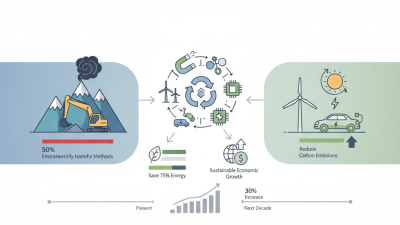
The extraction and utilization of rare earth materials are undergoing a significant transformation driven by sustainability trends. As awareness of environmental impacts grows, industries are increasingly focused on adopting greener practices. This includes implementing advanced extraction techniques that minimize ecological degradation, such as hydrometallurgy and bioremediation. These methods not only enhance efficiency but also reduce waste and the carbon footprint associated with traditional mining processes.
Additionally, the circular economy is becoming a central theme in the management of rare earth materials. Reusing and recycling these elements from end-of-life products is gaining traction, significantly reducing the need for new extraction. By reclaiming rare earth materials from discarded electronics and other devices, companies can reduce environmental strain and support a more sustainable supply chain. This shift towards recycling not only conserves resources but also provides economic benefits, paving the way for a more resilient and environmentally friendly approach to utilizing rare earth materials in the coming years.