How to Use Rare Earth Materials in Everyday Technology?
Rare Earth Materials play a crucial role in modern technology. These materials are essential for manufacturing various everyday devices. According to a 2021 report by the U.S. Geological Survey, global rare earth production reached approximately 240,000 metric tons. This highlights their importance in industries like electronics and renewable energy.
Many electronic devices, such as smartphones and laptops, utilize these materials. They are key in producing permanent magnets and display screens. The growing demand for electric vehicles further increases the need for rare earth elements. However, there is a growing concern about the environmental impacts of their extraction and processing. Responsible sourcing is critical for sustainable development.
The challenges surrounding rare earth materials are significant. While they enhance technology, the industry must address ethical sourcing and recycling practices. As usage continues to rise, reflecting on these practices is vital. Improving sustainability can help balance technological advances with environmental responsibility.

Understanding Rare Earth Materials and Their Properties
Rare earth materials are unique elements with fascinating properties. They are crucial in many technology applications, from smartphones to electric vehicles. These materials exhibit strong magnetic qualities, high electrical conductivity, and exceptional heat resistance. Their unusual characteristics make them valuable in producing powerful permanent magnets and efficient batteries.
In everyday technology, rare earth materials can enhance performance. For example, they are essential in compact yet powerful speakers. They also play a role in energy-efficient lighting. However, extracting these materials can lead to environmental challenges. The mining process may cause land degradation and pollution. This raises questions about sustainable practices.
Understanding the properties of rare earth materials is vital. The elements themselves are not rare, but the extraction process is complex. It requires careful management to minimize impact. Balancing technology needs with environmental responsibility presents a dilemma. Exploring alternatives and optimizing use of these materials could lead to better outcomes.
Usage of Rare Earth Materials in Everyday Technology
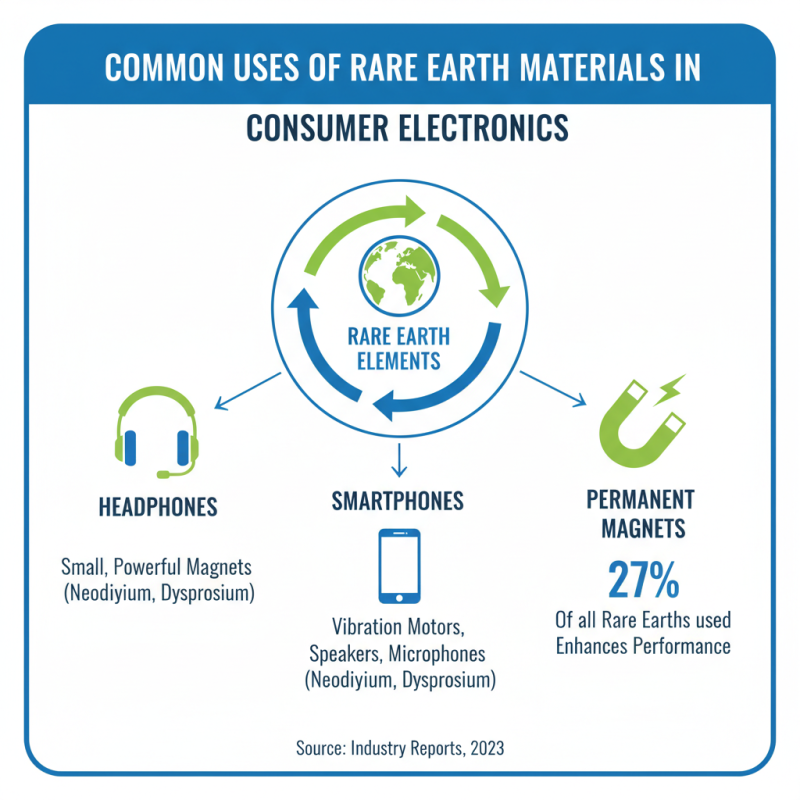
Common Uses of Rare Earth Materials in Consumer Electronics
Rare earth materials play a crucial role in consumer electronics. These elements, such as neodymium and dysprosium, are used to manufacture small yet powerful magnets found in headphones and smartphones. In fact, about 27% of rare earth elements are utilized in permanent magnets, which significantly enhance performance.
According to a recent industry report, smartphones require approximately 1-2 grams of rare earth materials each. This may seem small, but it compounds across billions of devices. This dependency raises questions about sustainability. Are we over-relying on non-renewable resources? The mining process leads to significant environmental damage.
Moreover, rare earths are vital in producing electric vehicle batteries. They improve energy storage and efficiency. A study indicated that electric vehicles could consume up to 15 kilograms of rare earth materials. The surge in demand raises tough thoughts about recycling these materials. Are we prepared for the future? The cycle is not perfect, and we need more innovation in recycling technologies.
The Role of Rare Earth Materials in Renewable Energy Technologies
Renewable energy technologies rely heavily on rare earth materials. These elements are essential for creating efficient wind turbines and high-capacity batteries. Wind turbines use neodymium to create powerful magnets. These magnets help convert wind energy into electricity. This process is crucial for wind-powered energy systems.
Solar panels also need rare earth materials. They improve the efficiency of photovoltaic cells. Yttrium, for example, enhances the performance of solar arrays. Yet, extraction of these materials poses a dilemma. The mining processes often harm the environment. Pollution from mining operations can disrupt local ecosystems. This raises questions about sustainability.
Transitioning to renewable energy requires a careful approach. We must balance resource extraction with ecological responsibility. Investing in recycling technologies could minimize harmful impacts. Exploring alternatives is essential. The quest for cleaner energy should not come at a cost to our planet.
How to Use Rare Earth Materials in Everyday Technology? - The Role of Rare Earth Materials in Renewable Energy Technologies
| Material |
Common Uses |
Environmental Impact |
Abundance |
| Neodymium |
Magnets for wind turbines, electric vehicles |
Low emissions, essential for green technologies |
Rare, but recycling efforts are increasing |
| Dysprosium |
High-performance magnets |
Moderate environmental concern due to mining |
Very rare and costly |
| Lanthanum |
Camera lenses, catalytic converters |
Used in pollution control, beneficial |
Abundant among rare earth elements |
| Cerium |
Polishing agents, fuel cells |
Considered low impact, promotes energy efficiency |
One of the most abundant rare earth elements |
Challenges in Sourcing and Recycling Rare Earth Materials
Rare earth materials play a crucial role in modern technology. They are found in smartphones, electric cars, and wind turbines. However, sourcing these materials presents significant challenges. Most rare earth elements are concentrated in a few regions, making supply chains vulnerable. Mining these materials can cause environmental damage. The impact on local ecosystems is concerning and often overlooked.
Recycling rare earth materials is equally problematic. Current recycling processes are inefficient and not widely adopted. Many devices end up discarded, leading to waste and lost resources. Efforts to develop better recycling methods are in progress but often fall short. The technology for efficient extraction from old devices is still evolving. These hurdles highlight the need for more sustainable practices.
A lack of awareness contributes to the ongoing issues. Consumers often don’t consider the lifecycle of their devices. Greater education on this topic can promote responsibility. By understanding the challenges, individuals can advocate for changes in both sourcing and recycling. The path toward sustainable use of rare earth materials is not easy, but necessary.
Future Innovations: Enhancing Technology with Rare Earth Elements
Rare earth materials play a crucial role in modern technology. These elements enhance the performance of devices, from smartphones to electric vehicles. Their unique properties allow for improved efficiency and durability. For example, neodymium is essential for powerful magnets used in wind turbines. This not only boosts energy efficiency but also supports the transition to renewable energy sources.
However, the use of rare earth elements comes with challenges. Mining these materials can lead to significant environmental concerns. Contaminated water and habitat destruction are serious issues. Additionally, the complexity of the supply chain raises questions about sustainability. Innovations must focus on responsible sourcing and recycling. Developing solutions that minimize impact and maximize usability is essential. The future of technology should reflect both advancement and accountability.
As we look ahead, integrating rare earth elements thoughtfully is crucial. We should aim for a balance between technological advancement and environmental stewardship. Exploring alternative materials may also yield promising results. The path forward requires innovation with awareness.