2026 How to Optimize Rare Earth Elements Recycling for a Sustainable Future?
The demand for Rare Earth Elements (REEs) is on the rise, driven by advancements in technology and green energy solutions. According to a report by the International Energy Agency, the global market for REEs is expected to exceed $15 billion by 2030. This reflects the critical role of REEs in various high-tech applications, from smartphones to renewable energy systems. However, the extraction and processing of these elements often come with significant environmental costs.
Rare Earth Elements Recycling offers a promising solution to mitigate these challenges. It can reduce the need for new mining operations and lower the carbon footprint associated with production. As Dr. Lisa Hines, a leading expert in the recycling of critical materials, stated, "Effective recycling practices can help us reclaim valuable resources while protecting our environment." Despite this potential, current recycling rates for REEs remain alarmingly low, often not exceeding 1%.
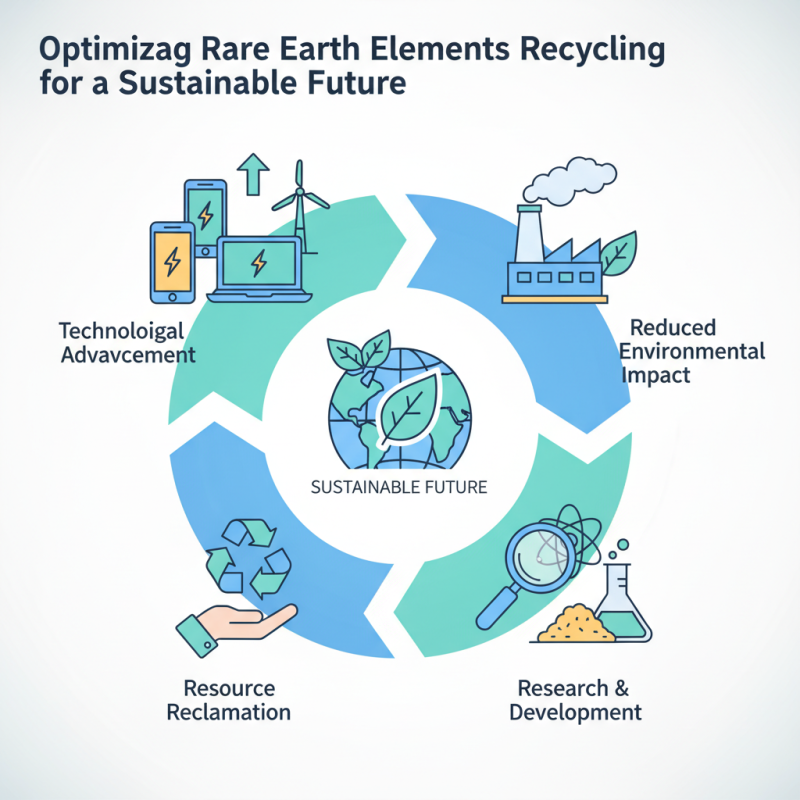
The industry faces hurdles such as technological limitations and a lack of awareness. Many existing recycling methods are not yet efficient. Thus, investing in research and development is crucial. Addressing these issues can enhance the sustainability of REEs and ensure a balanced approach for future consumption. Optimizing Rare Earth Elements Recycling is essential for a sustainable tomorrow.
Innovative Technologies for Efficient Rare Earth Elements Recycling
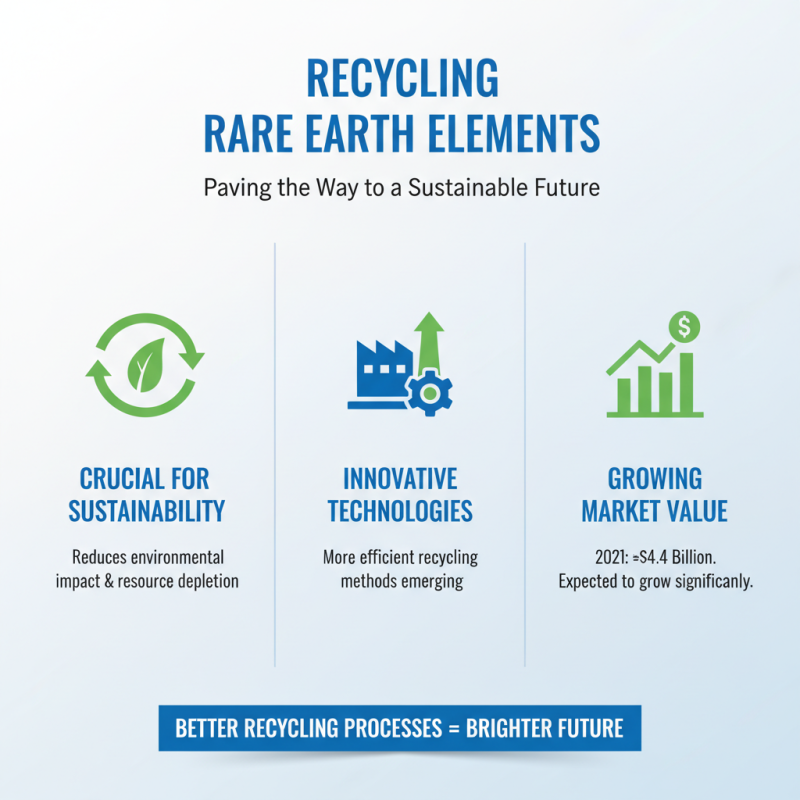
Recycling rare earth elements (REEs) is crucial for a sustainable future. Innovative technologies are paving the way for more efficient recycling methods. In 2021, the global REE market was valued at approximately $4.4 billion, with expectations to grow significantly. This highlights the importance of developing better recycling processes.
Advanced separation techniques are emerging, such as hydrometallurgical and pyrometallurgical methods. These can recover over 90% of rare earth elements from end-of-life products. However, challenges remain. Current recycling rates for REEs stand at only around 1-5%. This indicates a substantial gap in utilizing available resources efficiently. The need for improved consumer awareness and better collection systems is evident.
The rise of urban mining offers potential. It allows for the extraction of valuable materials from obsolete electronics. Yet, the process has not reached its full potential. Investments in research and innovation are essential. Countries are exploring partnerships to enhance their recycling capabilities. The shift towards a circular economy is still slow. Greater collaboration across industries is necessary to optimize processes and reduce environmental impacts.
Assessment of Current Recycling Processes for Rare Earth Elements
The recycling of rare earth elements (REEs) is critical for a sustainable future. Current processes are energy-intensive and often inefficient. According to a report by the International Energy Agency (IEA), only about 1% of rare earths are recycled. This statistic highlights the vast potential for improvement. Many electronic devices contain valuable rare earths, yet they end up in landfills.
Recycling techniques, such as hydrometallurgy and pyrometallurgy, face challenges. They may not be cost-effective or environmentally friendly. Often, these methods result in significant waste. There is a pressing need for innovative technologies to enhance recovery rates. Reports indicate that optimized processes could recover up to 90% of existing materials in electronic waste.
Tips for improving REE recycling include investing in research for new methods and enhancing public awareness. Consumers should also support recycling initiatives. Another effective strategy is to promote product design that facilitates easier disassembly. This approach can lead to better recycling rates in the long run. Addressing the inefficiencies in current recycling processes is essential for maximizing the potential of rare earth elements. Reflecting on the current situation, it’s clear that both industry and consumers must collaborate for meaningful progress.
Economic Benefits of Rare Earth Elements Recycling in the Circular Economy
Recycling rare earth elements can significantly boost the economy. These elements are vital for many technologies, from smartphones to electric vehicles. As we move towards a circular economy, recycling becomes more crucial. Businesses can save costs while reducing waste. The economic benefits are clear: lower production costs, job creation, and reduced dependence on mining.
Here are some tips to optimize rare earth elements recycling. First, invest in advanced sorting technologies. Efficient separation of materials enhances recycling rates. Second, educate consumers about the importance of recycling. Increased public awareness can lead to higher participation rates. Finally, collaborate with industries to develop sustainable recycling programs. Partnerships can strengthen the economy and promote environmental responsibility.
Many companies undervalue recycling programs. They may fear initial costs. But the long-term savings and benefits can be substantial. A clear recycling strategy can lead to a more sustainable future. Communities should reflect on current practices and explore new methods. Each small change can contribute to greater economic stability and environmental health.
2026 How to Optimize Rare Earth Elements Recycling for a Sustainable Future? - Economic Benefits of Rare Earth Elements Recycling in the Circular Economy
| Rare Earth Element |
Recycling Rate (%) |
Economic Value per Ton ($) |
CO2 Emission Reduction (kg) |
Resource Savings (%) |
| Neodymium |
80% |
$60,000 |
1500 |
75% |
| Dysprosium |
70% |
$120,000 |
1000 |
65% |
| Terbium |
85% |
$150,000 |
800 |
70% |
| Lanthanum |
75% |
$20,000 |
1200 |
80% |
| Cerium |
90% |
$25,000 |
1300 |
85% |
Environmental Impact of Rare Earth Elements Recycling Practices
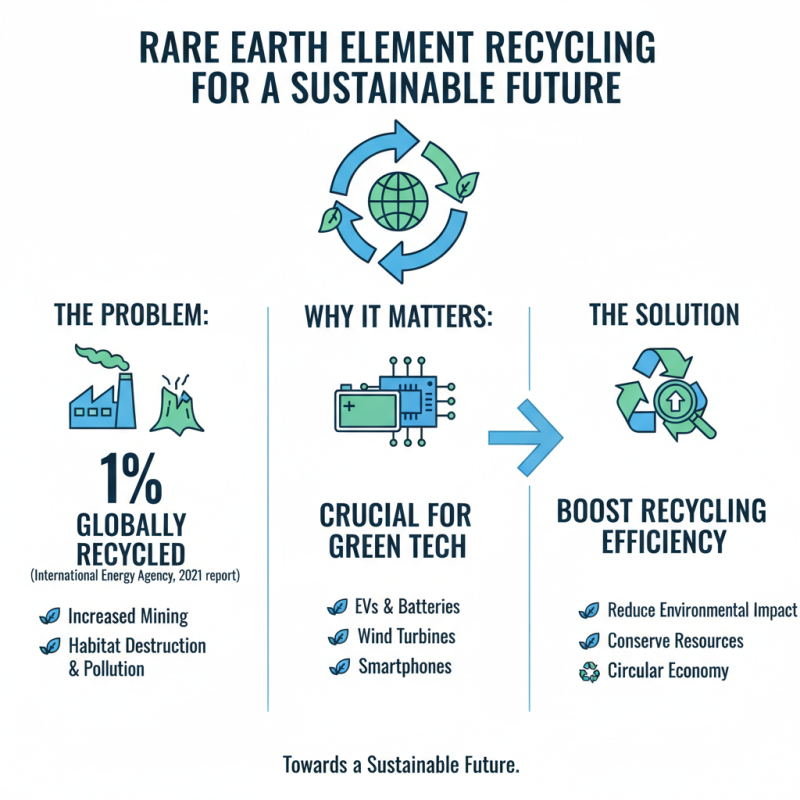
Recycling rare earth elements (REEs) is crucial for a sustainable future. The environmental impact of current recycling practices raises significant concerns. According to a 2021 report by the International Energy Agency, only 1% of rare earth elements are recycled globally. This low percentage leads to increased mining activities, contributing to habitat destruction and pollution.
Mining for rare earth elements is energy-intensive. It generates greenhouse gas emissions that worsen climate change. Moreover, improper disposal methods release toxic materials into the environment. For instance, around 22% of hazardous waste produced in Europe results from REE processing, creating a serious ecological imbalance.
Improving recycling methods could mitigate these issues. Advanced separation techniques can increase recovery rates, making recycling more efficient. However, many facilities still use outdated methods, reflecting a need for industry-wide upgrades. The current recycling infrastructure remains inadequate, pointing to this urgent need for innovation and investment.
Policy Recommendations to Promote Sustainable Rare Earth Elements Recycling
The recycling of rare earth elements is essential for a sustainable future. Policymakers must develop frameworks that encourage recycling. This can include financial incentives for companies that prioritize recycling. Additionally, public awareness campaigns can educate consumers about the importance of these elements.
Governments should invest in research to improve recycling technologies. Current methods often fall short in efficiency. There is a need to revisit these processes to make them more effective. Collaboration between industries could enhance recycling capabilities. We must ask ourselves, are we doing enough?
Regulations should be clear and enforceable. It's crucial to ensure that the recycling process is ethical and environmentally friendly. Transparency in the supply chain is vital. Creating standards will help curb illegal practices. As we move forward, reflecting on our current systems will help us build a more sustainable model for rare earth recycling.