How to Effectively Recycle Rare Earth Elements for Sustainable Future?
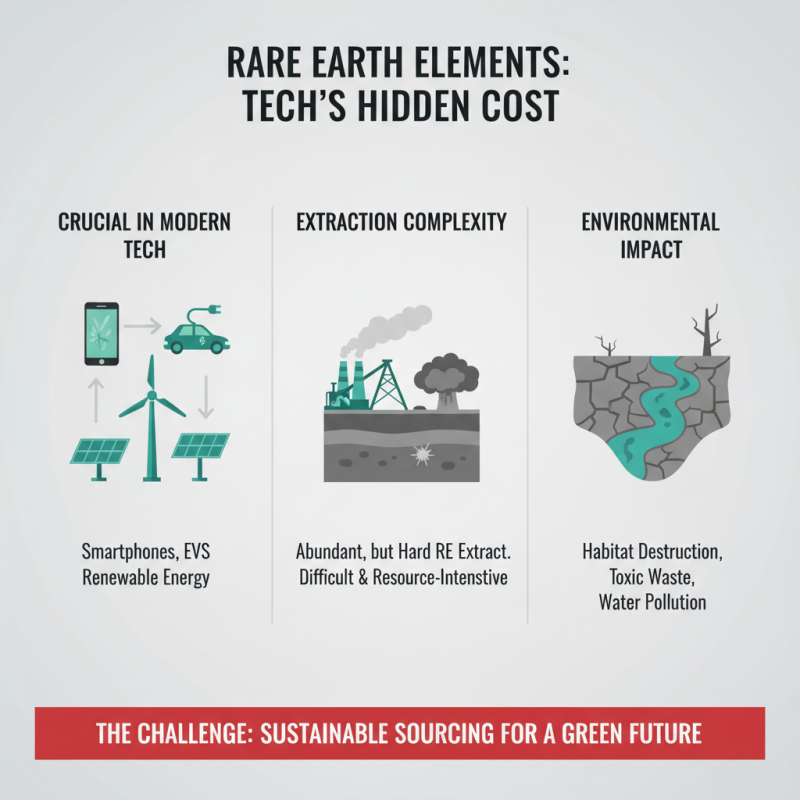
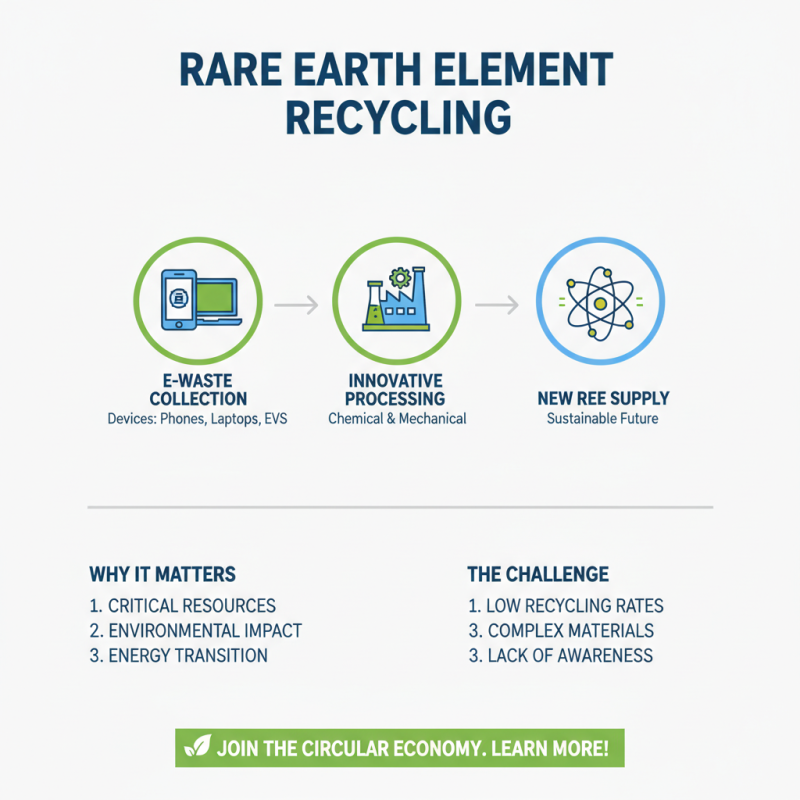
Rare Earth Elements are crucial for modern technology. They are used in smartphones, electric vehicles, and more. However, their extraction often harms the environment. This is where Rare Earth Elements Recycling comes into play. Recycling these materials offers a chance for a sustainable future.
The process of recycling can be complex. It involves separating these elements from various products. However, many existing methods are inefficient. There are gaps in technology and a lack of public awareness. This leads to a significant waste of valuable resources. Society needs to rethink its approach to rare earth recycling.
Investments in new recycling technologies are necessary. Education on the importance of recycling is essential. Without this, we risk depleting resources without replenishing them. The road to effective Rare Earth Elements Recycling is challenging, but it is a path we must pursue for a sustainable tomorrow.
Understanding Rare Earth Elements and Their Importance in Modern Technology
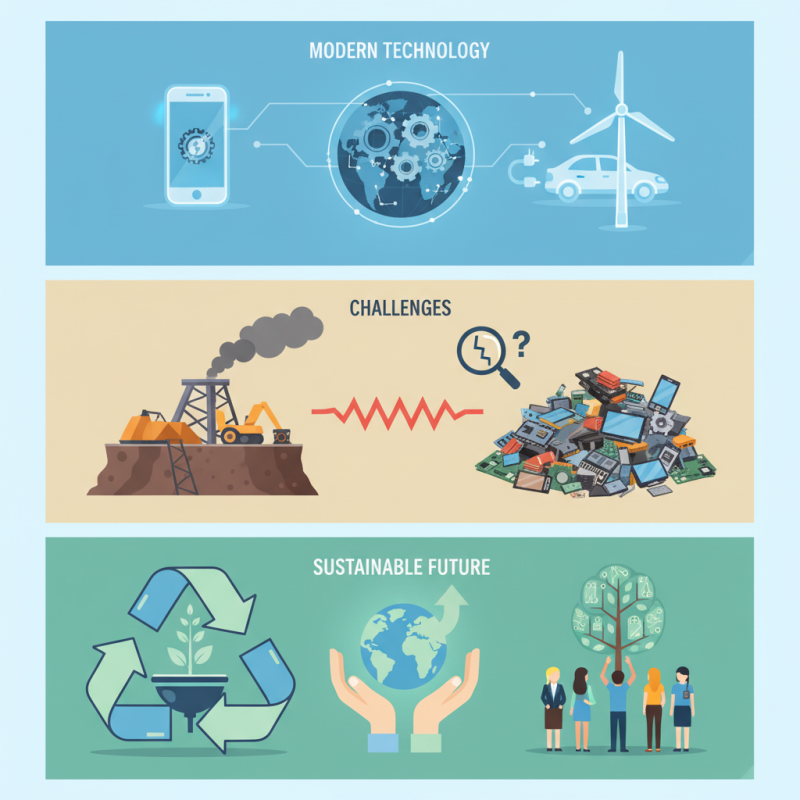
Rare earth elements (REEs) play a crucial role in modern technology. They are integral to the production of smartphones, electric vehicles, and renewable energy systems. These elements are not so rare in abundance, but their extraction is complex and often harmful. Mining for rare earths can lead to significant environmental degradation. It’s a process fraught with challenges.
Everyday devices rely on these elements. The magnets in your headphones or the display materials in your smartphone contain REEs. Yet, most consumers know little about their origins. This disconnect raises questions about sustainability. How can we ensure a steady supply of these elements while protecting our planet?
One solution lies in recycling. Current practices for recycling rare earth elements are limited, which is alarming. Many end-of-life products are discarded. Instead, urban mining could reclaim valuable materials. It involves extracting REEs from old electronics. While the technology to do this effectively exists, it is not widely adopted. A reevaluation of waste management practices is essential. More education and investment are needed in recycling technologies. The path to sustainable practices is complex, but we must engage with it.
Current Challenges in Rare Earth Element Recycling Processes
Recycling rare earth elements (REEs) poses significant challenges. These materials are vital for modern technology, yet their recycling efficiency remains low. One reason is the complex composition of electronic waste. Devices often contain small amounts of different REEs, making recovery difficult.
Additionally, existing processes are often resource-intensive. They may involve harsh chemicals that can lead to environmental concerns. For example, the extraction of neodymium from old magnets requires energy and time. This inefficiency raises questions about sustainability.
Can we reduce energy consumption while improving recovery rates?
Moreover, the lack of advanced recycling technologies hampers progress. Many facilities are not equipped to handle high volumes of REE-containing products. This limitation results in a significant amount of materials being sent to landfills.
Is it time for innovators to step up? Exploring new methods may provide solutions. Innovation is essential for increasing recycling rates of rare earth elements.
Innovative Methods for Efficient Recycling of Rare Earth Elements
Recycling rare earth elements (REEs) is crucial for a sustainable future. These valuable resources are found in many electronic devices. Unfortunately, most people are unaware of how to recycle them efficiently. Innovative methods are needed to address this gap.
One promising approach involves hydrometallurgical processes. This method uses aqueous solutions to extract REEs from waste materials. It is more environmentally friendly than traditional methods. Mechanical processes also play a role. They involve crushing and separating materials. However, these techniques often lack efficiency and require further refinement.
Another method is bioleaching, which utilizes microorganisms. These tiny organisms can help dissolve metals from ores and waste. However, this technique is still in development. It shows potential, but the rates of recovery need improvement. As we explore these options, we must recognize the challenges ahead. Responsible recycling must align with ecological sustainability goals, pushing for further innovation.
Policy and Regulatory Frameworks Supporting Sustainable Recycling Practices
The recycling of rare earth elements (REEs) is critical for a sustainable future. Robust policy and regulatory frameworks can drive effective recycling practices. Governments must develop clear guidelines that facilitate the processing of these valuable materials. This can help reduce reliance on mining and its environmental impact.
One successful approach is creating incentives for businesses to recycle REEs. Tax breaks or grants can motivate industries to invest in recycling technologies. Robust regulations should ensure that recycled materials meet quality standards. This will enhance public confidence and promote wider adoption.
**Tips:** Build partnerships between industries and recyclers. Collaboration can lead to innovative recycling solutions. Educate consumers about the importance of recycling REEs. Awareness can influence purchasing decisions. Governments should encourage research in recycling technologies to improve efficiency. Small changes can lead to significant impacts. Remember, if we overlook these steps, the journey to sustainability may stall.
Recycling Rates of Rare Earth Elements (REEs) by Year
Future Trends in Rare Earth Element Recycling for a Greener Economy
Recycling rare earth elements (REEs) is crucial for a sustainable future. Industry reports indicate that REEs are essential in many technologies. They are used in smartphones, electric vehicles, and renewable energy systems. However, only 1% of these elements are currently recycled. This underscores the need for improvement.
Future trends show a growing focus on efficient recycling methods. A recent study estimates that the demand for REEs could increase by 200% by 2040. This surge in demand necessitates better recycling solutions. Innovations like hydrometallurgical processes are emerging. They promise to recover up to 95% of valuable elements from end-of-life electronics. Such developments highlight the potential for a greener economy.
Tips for consumers: Start by recycling old electronics responsibly. Educate yourself on local recycling programs. Encouraging businesses to adopt circular economy principles can also drive change. Remember, every small action contributes to a larger impact. Reflection is key; ask how your choices influence the ecosystem.
How to Effectively Recycle Rare Earth Elements for Sustainable Future?
| Rare Earth Element |
Recycling Methods |
Recycling Efficiency (%) |
Environmental Impact |
| Neodymium |
Solvent Extraction |
90 |
Low Carbon Footprint |
| Dysprosium |
Hydrometallurgical Process |
85 |
Reduced Waste Generation |
| Terbium |
Electrochemical Recovery |
80 |
Minimized Toxicity |
| Lanthanum |
Pyrometallurgical Method |
78 |
Energy Intensive |
| Cerium |
Ultrasonic Extraction |
75 |
Lower Emission Levels |