Why Is Rare Earth Elements Recycling Essential for Sustainable Future?
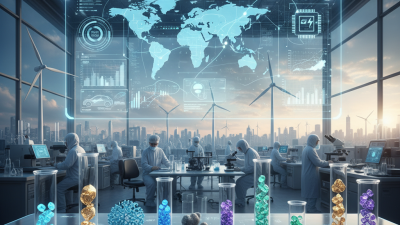
Rare Earth Elements Recycling is a critical aspect of our future sustainability. These elements are vital in various technologies, from smartphones to renewable energy systems. However, their extraction poses significant environmental challenges.
The demand for rare earth elements continues to rise, yet the supply chain is fragile. Mining these resources often leads to ecological damage. This reinforces the urgent need for recycling to mitigate adverse outcomes. By reclaiming these materials from used products, we reduce waste and conserve natural resources.
Yet, the recycling process itself is not without flaws. It can be energy-intensive and complex. This complexity requires ongoing research and improvement. Society must prioritize rare earth elements recycling to ensure a sustainable future, and this challenge is worth addressing seriously. Balancing economic viability with environmental responsibility is essential for progress.
Importance of Rare Earth Elements in Modern Technology
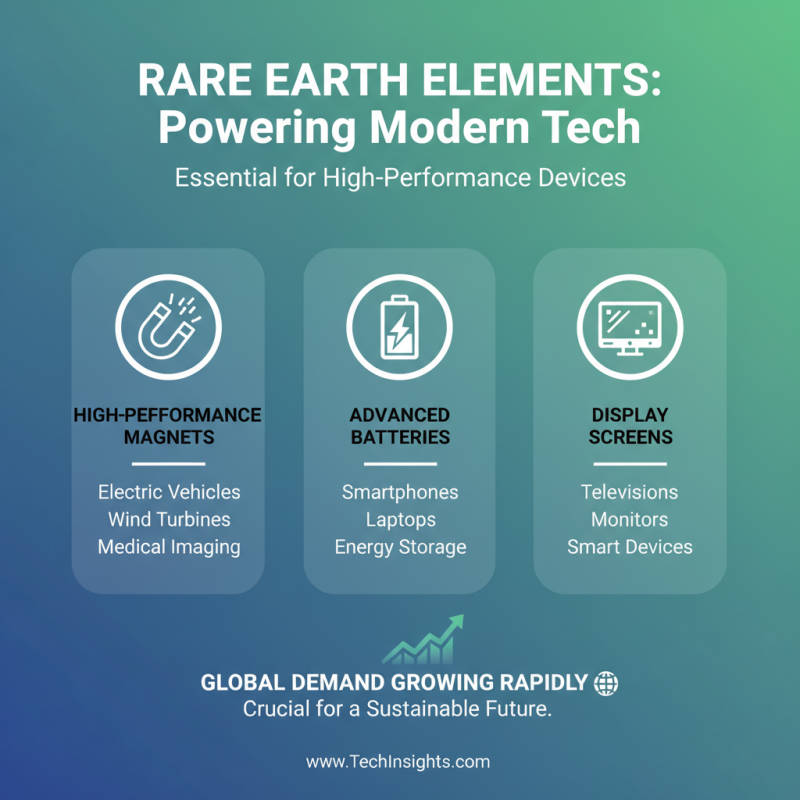
Rare earth elements (REEs) play a vital role in modern technology. They are essential in making high-performance magnets, batteries, and display screens. These materials are found in smartphones, electric vehicles, and renewable energy systems. As technology advances, the demand for REEs is growing rapidly.
However, the extraction of these elements has significant environmental impacts. Mining operations can lead to soil and water contamination. Additionally, the process is energy-intensive and contributes to greenhouse gas emissions. Recycling REEs from old electronics could mitigate these issues. Yet, many people are unaware of the potential benefits of recycling.
Recycling can reduce our reliance on virgin materials. It also helps preserve natural resources for future generations. Challenges remain, though. Efficient recycling methods are not widely adopted. Public awareness must increase to encourage participation in recycling programs. As we embrace a more sustainable future, addressing these hurdles is crucial for the responsible use of rare earth elements.
Environmental Impact of Rare Earth Elements Extraction
The extraction of rare earth elements (REEs) has severe environmental consequences. Mining operations often lead to soil degradation and water pollution. Harmful chemicals are used in extraction processes. These chemicals can leak into nearby water sources, impacting local ecosystems. Wildlife suffers as habitats are disrupted, and plant life struggles to survive.
Beyond immediate environmental harm, the carbon footprint of REE extraction is significant. Transportation and processing contribute to global warming. The demand for these elements continues to rise with technology development. Yet, our current methods often neglect the ecological price we pay. Rare earth mining can leave landscapes scarred, a stark reminder of our consumption patterns.
Recycling rare earth elements offers a solution. It reduces the need for new mining operations. However, recycling processes are not yet efficient. Developing better technologies for recycling is a challenge. There's a lingering question regarding our commitment to sustainable practices. The irony is clear: to sustain our future, we must reconsider our past.
Why Is Rare Earth Elements Recycling Essential for Sustainable Future?
| Dimension |
Data |
| Total Global Rare Earth Elements Production (2022) |
220,000 metric tons |
| Recycling Rate of Rare Earth Elements |
1-2% |
| Environmental Impact of Extraction (CO2 Emissions) |
2-3 tons CO2 per ton of rare earth produced |
| Estimated Rare Earth Elements in E-waste |
7 times more than in mined ores |
| Potential Recycling Market Value (2025) |
$20 billion |
| Reduction in Mining Needs through Recycling |
50-70% |
Current Challenges in Rare Earth Elements Supply Chain
Rare earth elements (REEs) play a crucial role in modern technology. However, the supply chain faces significant challenges. Mining REEs is resource-intensive and often harmful to the environment. Limited global sources make these materials vital yet vulnerable.
The extraction process is complicated. Rare earth ores are often mixed with toxic substances. This creates pollution and health risks for surrounding communities. Many countries are dependent on a few suppliers, raising concerns about geopolitical tensions. Such reliance can lead to shortages and price spikes.
Tips: Recycle electronics to recover REEs instead of discarding them. Small actions can reduce the demand on new mining processes. Awareness of where materials come from might change consumer habits.
Despite the potential of alternative materials, they still lag in performance compared to REEs. The challenge is to innovate while managing risks. Recycling becomes even more essential as technology evolves. With the right focus, we can decrease reliance on fragile supply chains.
Rare Earth Elements Recycling Over Time
This chart illustrates the projected recycling rates of rare earth elements (REEs) from 2020 to 2030. It highlights the increasing importance of recycling to address supply chain challenges and ensure a sustainable future.
Benefits of Recycling Rare Earth Elements for Sustainability
Recycling rare earth elements (REEs) is crucial for a sustainable future. These elements are integral to modern technology, found in smartphones, wind turbines, and electric vehicles. According to the World Bank, the demand for REEs could increase by 200% by 2040. This growing demand puts pressure on natural resources and the environment.
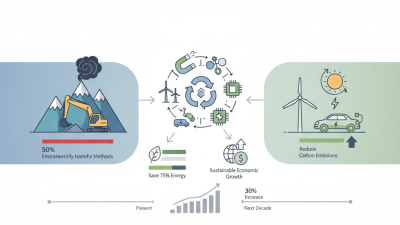
Recycling offers numerous benefits. It reduces the need for mining, which is often destructive. A study from the European Commission indicates that recycling REEs can reduce carbon emissions by up to 50%. Moreover, the recycling process requires significantly less energy than mining new materials. The U.S. Geological Survey estimates that recycling could recover up to 80% of valuable materials from electronic waste.
Despite these benefits, challenges remain. The current recycling rates for REEs are low, often below 1%. Public awareness and infrastructure need improvement. The collection and processing of e-waste can be complicated. Additionally, contaminants from improperly disposed products may hinder effective recycling. There’s much work to do for a truly sustainable approach to REE recycling.
Future Prospects and Innovations in Rare Earth Elements Recycling
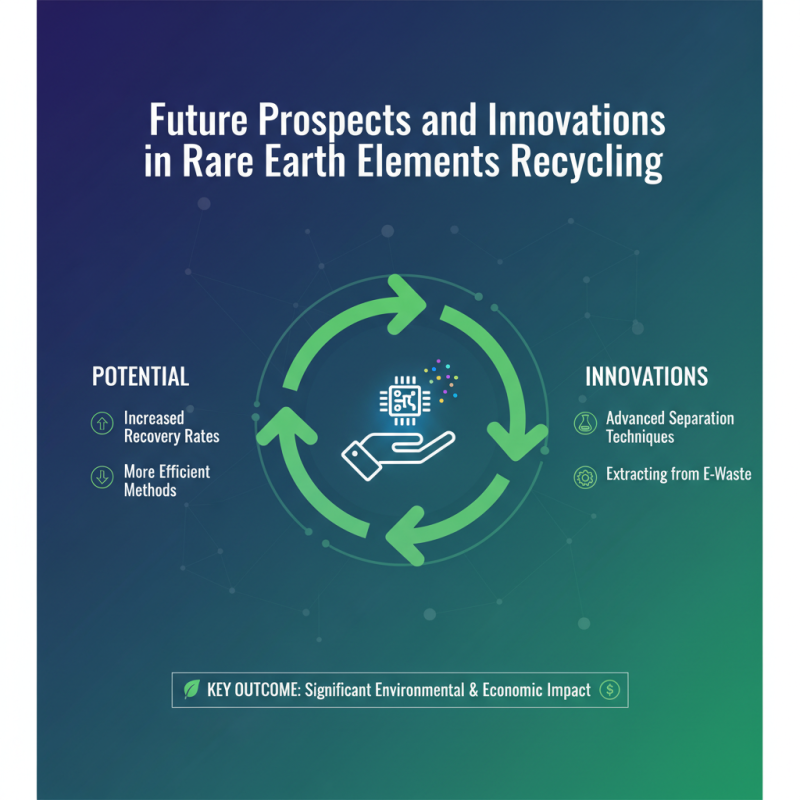
The future of rare earth elements (REE) recycling is filled with potential. Innovations are emerging, promising more efficient methods. These advancements could increase recovery rates. For example, researchers are exploring advanced separation techniques. These techniques focus on extracting REEs from electronic waste. It is a complex process, but the results could be significant.
Moreover, new technology is vital in this field. The integration of artificial intelligence is changing how recycling is done. AI can identify materials faster and more accurately. This can reduce waste and improve efficiency. But challenges remain. Many recycling facilities still lack the necessary infrastructure. Investments are needed to bridge this gap. Without them, progress in recycling might stall.
Finally, public awareness plays a crucial role. As people learn the importance of REE recycling, their actions matter. Simple actions at home can contribute. Yet, misinformation often clouds these issues. Educating the community is essential for success. The path ahead is exciting, but it requires collaboration and commitment.